Chicago Is One of the Greatest Cities in the World to Live In. Here's the Unfiltered Picture Before You Buy.
Time Out ranked Chicago among its top 50 best cities in the world in 2026. This is not a surprise to anyone who lives there. It is, however, a useful starting point for people considering a move — because the gap between Chicago's reputation and Chicago's reality is wider than in almost any other major American city, and it cuts in both directions.
The reputation: winter, crime, political dysfunction, property taxes, deep dish pizza. The reality: forty miles of lakefront, world-class architecture, one of the most underrated food cities on the planet, a cultural infrastructure that rivals cities twice its size, and a real estate market that offers a quality of life per dollar that virtually no comparable city in the country can match. Both versions contain truth. The buyers who navigate Chicago well are the ones who hold both simultaneously — who arrive clear-eyed rather than either enchanted or forewarned into paralysis.
This piece is for the person who is seriously considering a move to Chicago, and who wants the complete picture before they start looking at homes.
The Case for Chicago Is Substantial and Underappreciated
Start with what Chicago actually has, because it's genuinely extraordinary and routinely undersold by people who lead with the weather.
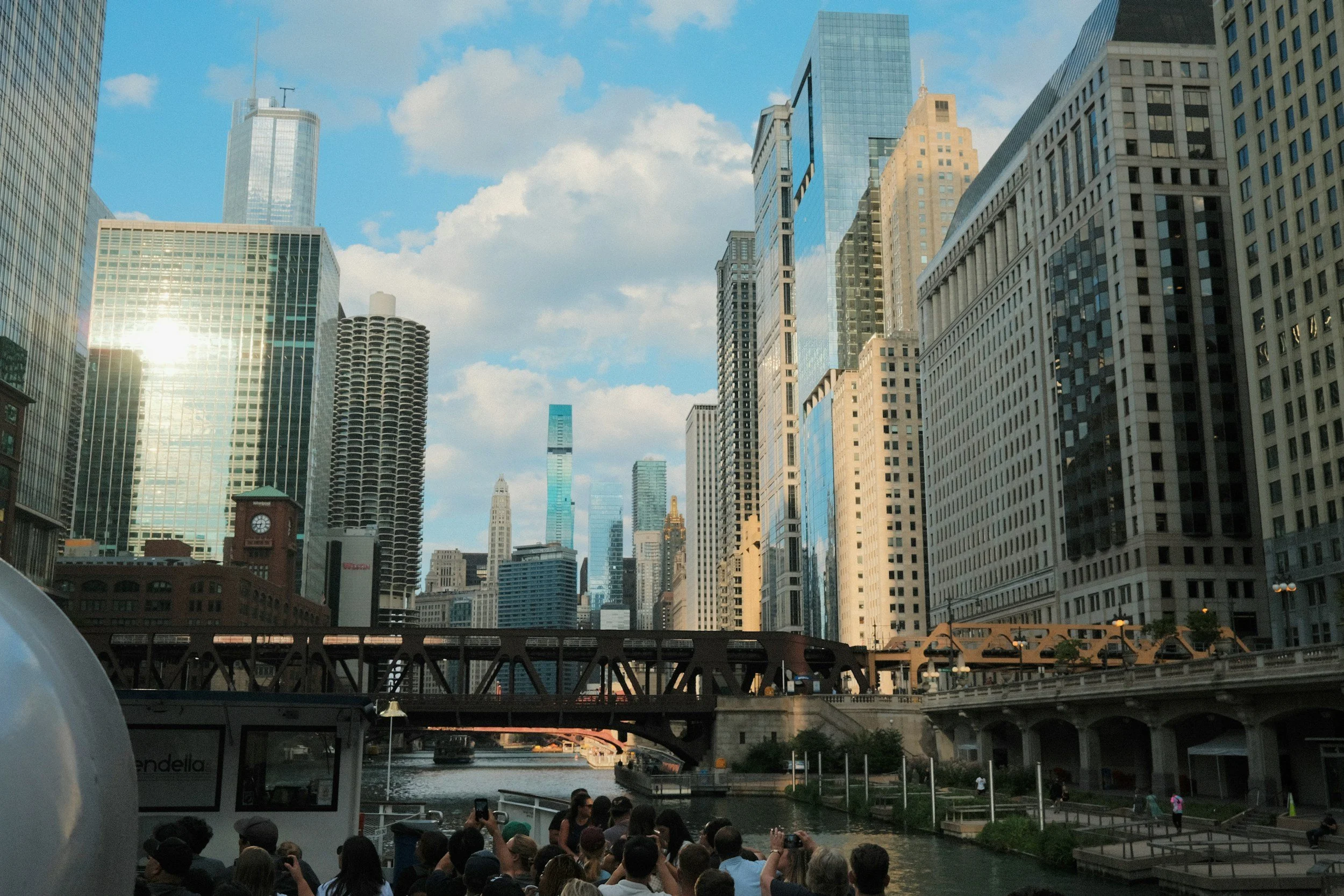
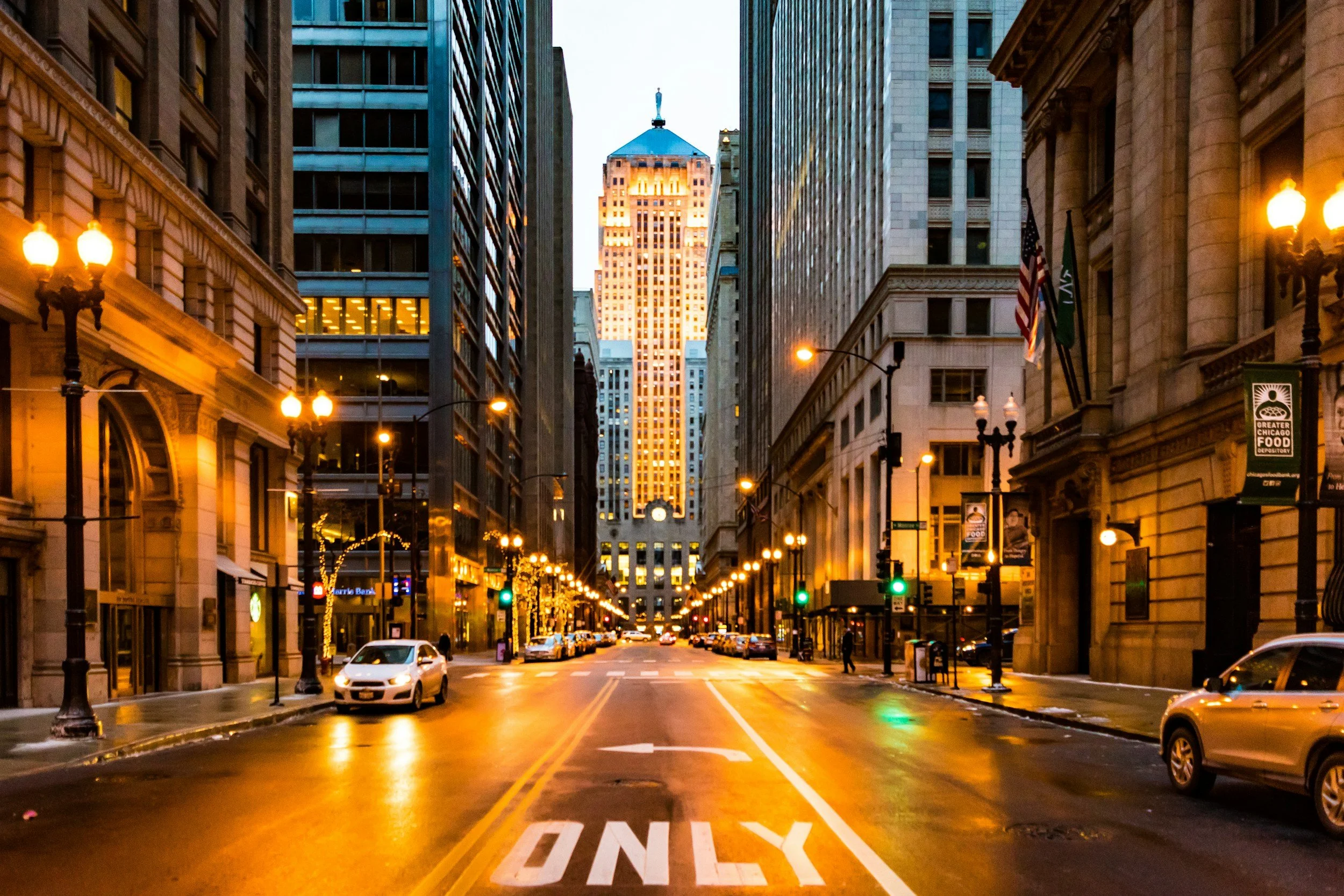
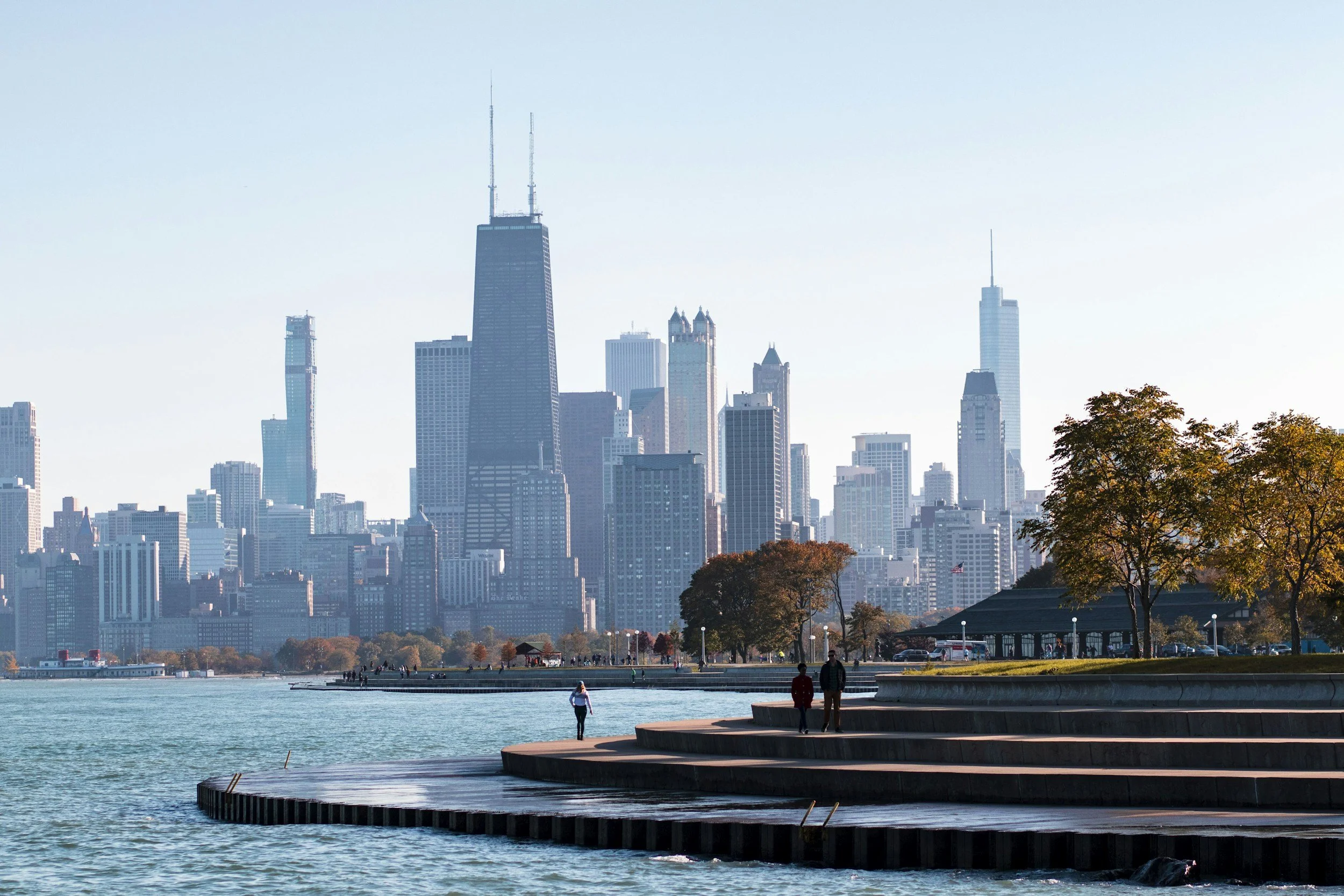
The architecture alone is worth the price of admission. Chicago invented the skyscraper — the 1885 Home Insurance Building is widely credited as the world's first — and the city has been building with ambition and beauty ever since. The skyline from Lake Shore Drive is one of the iconic urban views in the world, and the architecture boat tours along the Chicago River are, without exaggeration, one of the best ways to spend a few hours in any American city. Residents walk past Louis Sullivan buildings on the way to get coffee. This is not a metaphor. It is a daily reality that most Chicagoans take entirely for granted and that people relocating from other cities consistently describe as one of the things they didn't expect to matter so much and then did.
The cultural infrastructure operates at a scale that consistently surprises newcomers. The Art Institute of Chicago is one of the premier art museums in the world — Ferris Bueller was not wrong. The Field Museum rivals the natural history institutions in New York and Washington. Steppenwolf Theatre, founded in 1976 in a church basement, is now one of the most important theatrical institutions in the country, currently in the middle of a $54 million expansion. The Chicago Symphony Orchestra performs in Orchestra Hall, one of the finest acoustic environments in America. The Joffrey Ballet, the Lyric Opera, a comedy scene that has launched more careers than almost any other city in the country — the list is long and it is legitimate.
The food story has fully arrived. Chicago has always had character in its food — the Chicago-style hot dog is a theological conviction, the deep dish debate a civic identity — but the contemporary restaurant scene has grown into something genuinely serious. The city has produced James Beard Award winners year after year, Michelin-starred restaurants in multiple neighborhoods, and a dining culture that reflects the city's extraordinary ethnic diversity. The Polish Village, Pilsen, Chinatown, Greektown, a Vietnamese corridor along Argyle Street — you can eat your way around the world without leaving the city limits, and you can do it at every price point from street food to prix fixe.
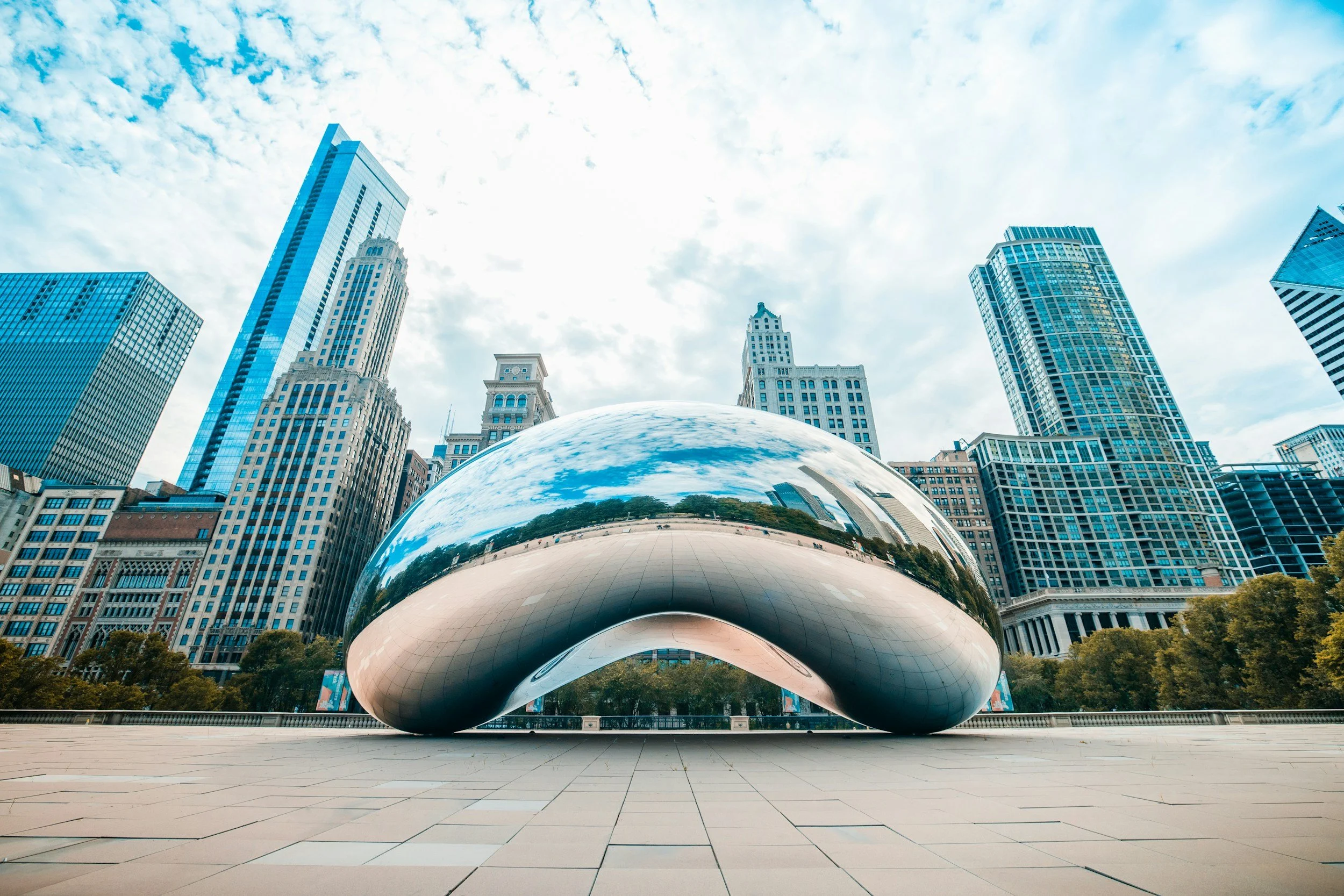
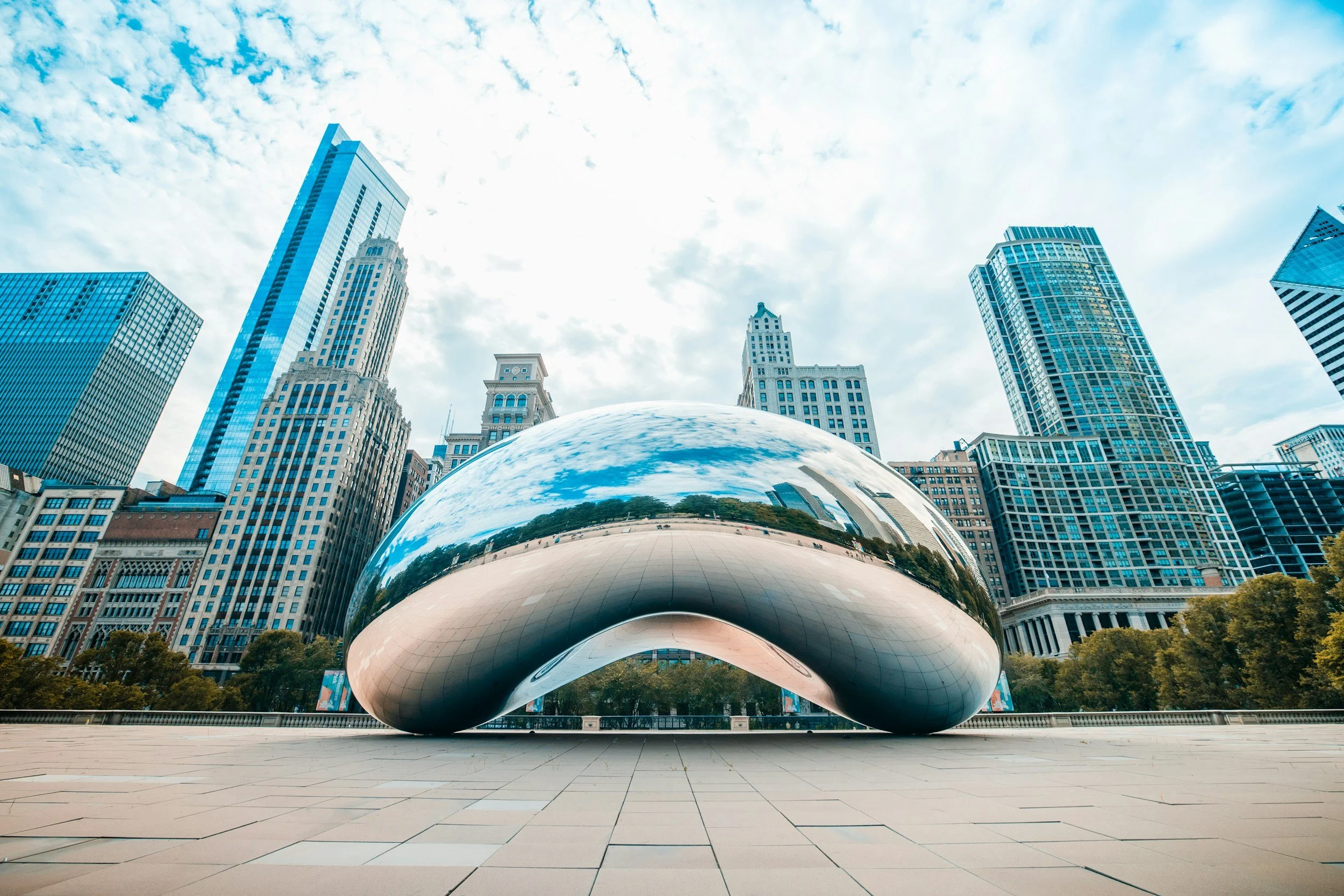
The lakefront is one of the most democratic and genuinely stunning urban amenities in the world. Forty miles of coastline, publicly accessible, lined with parks, beaches, trails, and harbors. Grant Park, Millennium Park with the Cloud Gate sculpture that has become shorthand for Chicago itself, Maggie Daley Park, the Museum Campus — these are not destinations you drive to from the city. They are the city. On a summer evening, the lakefront fills with everyone — runners, cyclists, families, dogs, couples — in a way that makes the democratic promise of urban life feel genuinely real.
And the transit system, the CTA's "L," is genuinely excellent by the standards of American cities. The second-largest public transit system in the country, with eleven Metra lines connecting the suburbs to the urban core, and an L system that gets you almost anywhere within the city efficiently. Ninety-one percent of transit users report that they'd recommend CTA services. For buyers moving from car-dependent metros, this alone changes the financial calculus of urban living.
The Honest Complications
Chicago requires honesty about its challenges, because they are real and they affect buyers in ways that matter.
The weather is not a punchline — it is a lifestyle variable. Chicago winters are long, they are genuinely cold, and the wind off the lake is a physical force that makes temperatures feel meaningfully lower than they are. Residents who moved from New York or Boston sometimes report that Chicago winters are comparable; residents who moved from California or the Sun Belt rarely find that framing convincing. November through mid-April is the genuine winter zone, with January, February, and March comprising what can fairly be called a sustained meteorological challenge. This is not a reason not to move to Chicago. It is a reason to buy a home that is well-insulated, situated in a neighborhood you can navigate in winter, and equipped with parking if you need it. It is also a reason to understand that Chicago summers — warm, alive with festivals, open to the lakefront in a way that transforms the city — are among the best of any major city in the world, and that the seasonal rhythm is part of what gives the city its character.
The property tax picture is in genuine crisis. This deserves its own section, and will get one. But the headline is that Cook County homeowners saw an average property tax bill increase of 16.7% in 2025, the largest in Illinois history, with some neighborhoods absorbing increases of 50% or more. The southern and western suburbs are now entering their own reassessment cycle in 2026. The Illinois Department of Revenue is conducting a comprehensive study of the state's property tax system with a report due July 2026. For buyers, the property tax reality in Chicago is not an asterisk. It is a primary variable that belongs in the first conversation about any property.
The neighborhood variation is extreme. This is not unique to Chicago, but it is more pronounced here than in most cities its size. Chicago is officially divided into 77 community areas and contains what the University of Chicago estimates to be more than 200 distinct neighborhoods. The experience of living in Lincoln Park — one of the most affluent and well-appointed neighborhoods in the Midwest — is genuinely different from living in Pilsen or Wicker Park or the South Loop, not just financially but culturally, logistically, and in terms of daily life. Buyers who move to "Chicago" without knowing which Chicago they're moving to are making a significant decision with incomplete information.
The Market in 2026: What Buyers Are Actually Navigating
Chicago's real estate market in 2026 is defined by something relatively rare in major American cities: genuine value at the high end.
The March 2026 median sale price in Chicago hit $410,100 — up 5.2% year over year, moving faster than the national average of roughly 1.4%. Homes are going pending in 16 days on average and attracting an average of three offers. Price per square foot reached $293. These are the numbers of a healthy, active market — not a frenzy, not a distress — operating at a pace that rewards prepared buyers and punishes unprepared ones.
The luxury market tells a particularly interesting story. Downtown neighborhoods — Gold Coast, River North, Streeterville, Lakeshore East — spent years losing ground to the North Side as buyers flocked to Lincoln Park, Lakeview, and Wicker Park. That dynamic is shifting. Inventory downtown has shrunk, bidding wars on the North Side have pushed some buyers toward downtown as the more rational option, and out-of-state buyers and returning Chicago residents are rediscovering the Gold Coast for turnkey properties. A home that sat on Bellevue Place in the Gold Coast from 2023 until early 2026 sold for $3.6 million within a month of being re-staged and re-listed — the market didn't need a price cut, it needed a presentation. That is a very specific signal about what the luxury buyer in downtown Chicago is looking for right now.
Compared to peer cities, Chicago remains a striking value. The median sale price here is significantly below San Francisco, New York, Los Angeles, and even Miami and Austin. The architectural quality, the cultural density, the transit access, and the lakefront access available at Chicago price points would cost dramatically more in any of those markets. For high-net-worth buyers relocating from coastal cities, this is not a consolation prize. It is a genuine financial advantage that the city's own residents sometimes take for granted.
The LGBTQ+ Picture: One of the Best in the Country
For LGBTQ+ buyers, Illinois and Chicago specifically represent one of the most legally and culturally protective environments in the United States.
Illinois added sexual orientation as a protected class under the Illinois Human Rights Act in 2005 and gender identity in 2006 — years before most states moved in this direction and well before federal protections were clarified. The Illinois Human Rights Act prohibits discrimination in housing, employment, education, and public accommodations based on sexual orientation and gender identity. These are not aspirational policies. They are enforceable state law.
The Illinois Department of Human Rights has been proactive in expanding protections further in recent years, adding source of income protections in housing, immigration status protections in housing, and regulations on artificial intelligence in employment decisions — areas where other states have not yet acted. The Chicago Teachers Union voted overwhelmingly in April 2025 to protect and defend LGBTQ+ rights and inclusion within schools.
At the federal level, the current political environment has created uncertainty around some protections. Illinois state law, importantly, provides a floor that exists independent of federal policy shifts. For buyers considering relocation and evaluating their legal standing in a new state, Illinois is among the most favorable environments in the country.
What Serious Buyers Need to Know Before They Look
Chicago is a neighborhood-driven market. The phrase is used so often that it loses meaning, but it is more literally true here than almost anywhere. Buyers who succeed in Chicago are the ones who know before they start touring which neighborhoods match their actual daily life — their commute, their walkability preference, their school needs, their social context, their price point — and who work with agents who have genuine expertise in those specific areas rather than general city familiarity.
The Gold Coast and Lincoln Park buyer is not the same buyer as the West Loop or Wicker Park buyer, and they should not be working with the same agent. These are different markets, different property types, different dynamics. An agent who dominates River North condominiums may be a generalist in Lincoln Park single-family homes. Understanding this distinction — and asking for it specifically — is one of the most consequential things a relocating buyer can do before they start making offers.
The property tax variable belongs in every financial conversation about a Chicago purchase. The tax bill in the listing is not your tax bill. Ask for the current assessment, understand which triennial cycle the property falls under, and model the realistic bill at today's market price before you fall in love with a number that won't hold.
And verify everything about neighborhoods directly — not through listing descriptions, not through general reputation, but through firsthand visits at different times of day and week, conversations with residents, and the specific knowledge of an agent who works there regularly.
This is the matching I do. Not connecting buyers with any Chicago agent, but finding the right one — the person who knows your specific target neighborhood at the price point you're buying, who can walk you through the tax picture before you're in contract, and who understands the micro-level details that the listing page will never include.
If you're considering Chicago and want that introduction before you start looking, reach out.
John Voirol | John's Agents | Find My Agent
SOURCES
Time Out: Top 50 Best Cities in the World 2026
United States Real Estate Investor: Chicago Home Prices Surge 5x Nation
The Real Deal Chicago: Downtown Chicago Housing Market Bouncing Back
Illinois Answers: Record Property Tax Increases Slam Chicago Homeowners
O'Connor: 2026 Cook County Reassessment Targets Western and Southern Suburbs
Illinois Department of Human Rights: Legislative Updates
TaskForce Chicago: Transgender Rights in Illinois
HOMEiA: 7 Key Factors to Know About Living in Chicago
More on Moving to Chicago