Chicago Has 200 Neighborhoods. Here's How to Find the Right One Before You Buy.
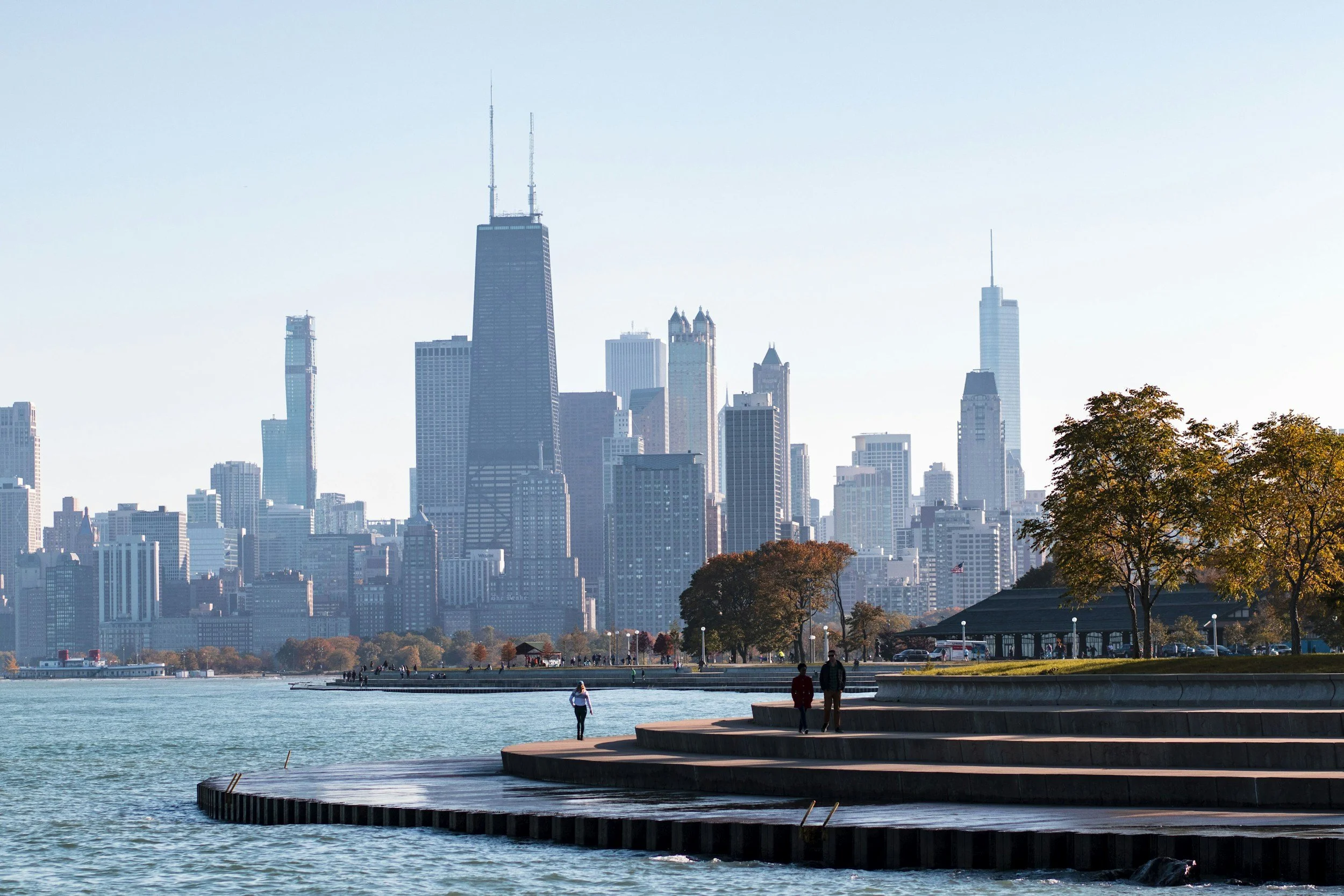
The University of Chicago estimates that the city contains more than 200 distinct neighborhoods. Chicago's official designation divides it into 77 community areas. Either way, the number is large enough that "I'm moving to Chicago" tells you almost nothing about where someone is actually going to live, what their daily life will look like, or what their real estate decision will require.
This is not a quirk. It is the defining feature of the Chicago market, and it is the reason that buying in Chicago without specific neighborhood fluency — either your own or your agent's — is a significantly riskier proposition than it looks from the outside.
Here is the lay of the land for buyers who are starting to think about where they want to land.
The North Side: Established Luxury, Intense Competition
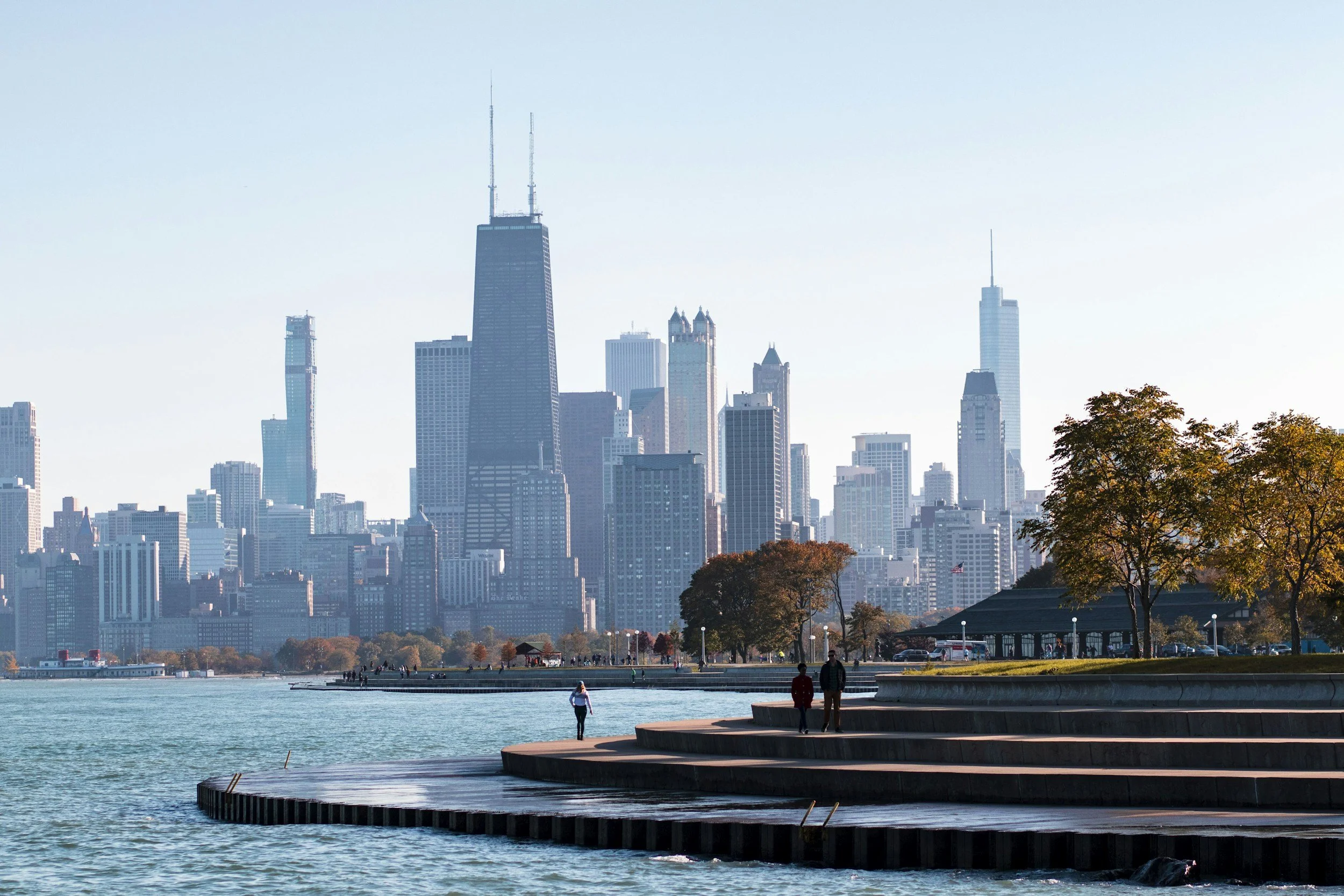
Lincoln Park, Lakeview, and Wicker Park have been the engines of the Chicago residential market for years, and the competition reflects it. Bidding wars in Lincoln Park have pushed closing prices on single-family homes well over asking. In Q4 2025, the Lincoln Park median single-family sale price rose 19.4% year over year to $2,208,888. These are genuinely desirable neighborhoods — tree-lined, walkable, well-served by transit, close to the lakefront — and they carry prices that reflect that fact fully.
Buyers priced out of Lincoln Park have been moving to Lakeview, which has been absorbing some of that demand at slightly lower price points, and to Wicker Park and Bucktown, which offer the character-forward urban experience with somewhat more inventory. The North Side broadly rewards buyers who move efficiently and decisively, which makes working with an agent who knows the micro-level dynamics essential rather than optional.
Downtown and Near-Downtown: The Comeback Story
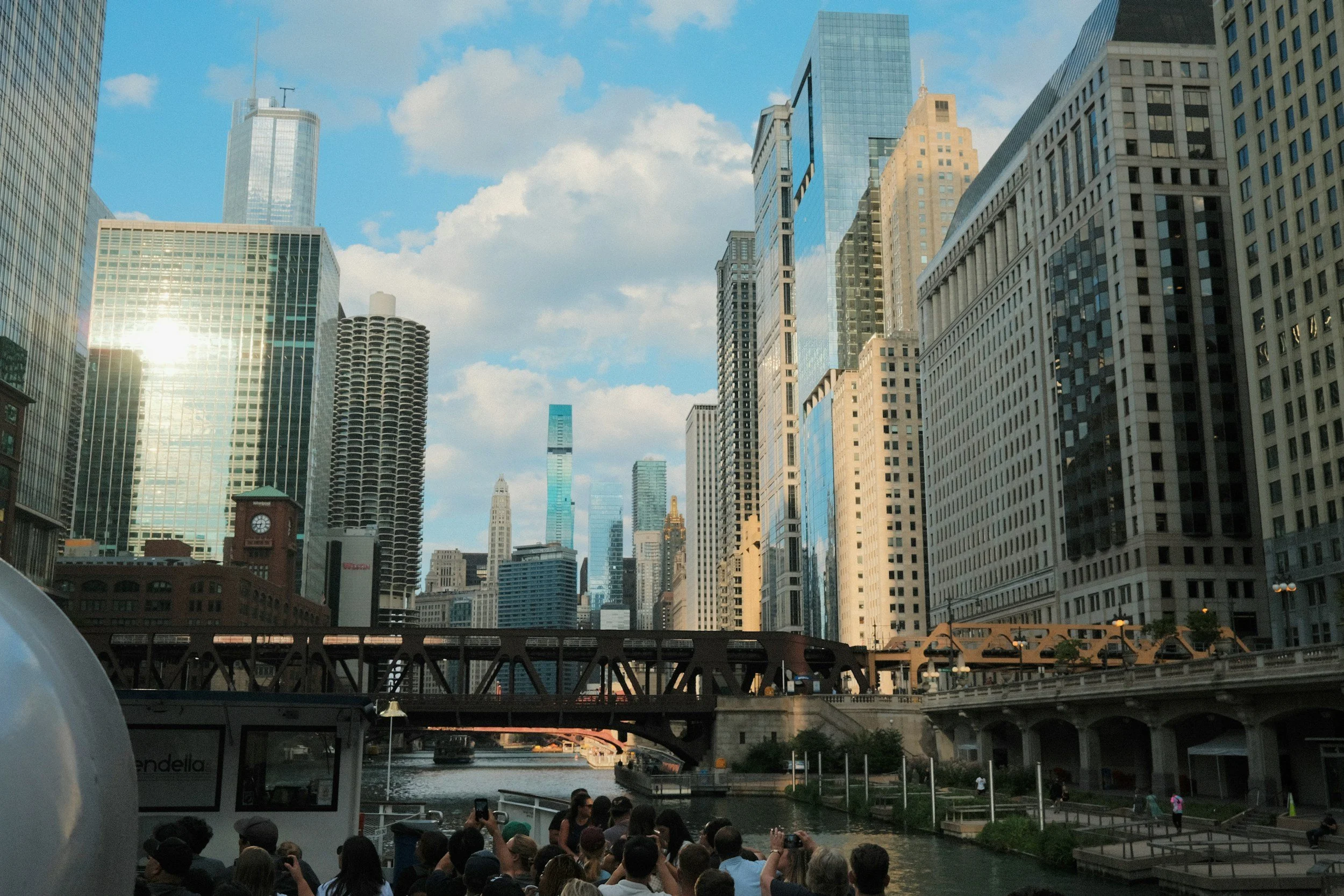
The Gold Coast, River North, Streeterville, and Lakeshore East spent several years losing residents and volume to the North Side. That dynamic has reversed. Shrinking inventory downtown, the exhaustion of bidding wars further north, and the return of out-of-state buyers who view downtown Chicago as a genuine value are driving a quiet resurgence. Luxury condominiums and penthouses in these neighborhoods are moving again — particularly turnkey, well-presented properties that don't require a project.
For buyers who want full-service building amenities, genuine walkability, proximity to the cultural core, and skyline views, downtown remains one of the best values per square foot of any major American city. The caveat: HOA and assessment structures vary significantly building by building, and due diligence on a building's financials is as important as due diligence on the unit itself.
The West Loop: The City's Fastest Evolved Neighborhood
Ten years ago, the West Loop was a meatpacking district. Today it is one of the most desirable urban neighborhoods in Chicago — Restaurant Row on Randolph Street is legitimate destination dining, the proximity to the Loop and transit is exceptional, and the housing stock includes new construction condominiums alongside adaptive reuse loft buildings that have become the neighborhood's visual identity. Prices have appreciated significantly, but the West Loop still offers a compelling proposition for buyers who want urban intensity with relatively modern housing stock.
Neighborhoods Worth a Second Look
Buyers focused exclusively on the established markets sometimes overlook neighborhoods that offer genuine quality at more accessible price points. Bronzeville on the South Side has a rich architectural heritage, a community of engaged residents, and ongoing investment. The South Loop continues to evolve, with proximity to the museum campus, Soldier Field, and the lakefront available at prices below comparable North Side properties. Logan Square has matured from an emerging neighborhood into an established one, and its relative price advantage over Lincoln Park has narrowed significantly — but value remains relative to what the North Side commands.
The Suburb Question
For buyers with children, the suburb question is often unavoidable. Chicago's public school system, Chicago Public Schools, is large, uneven, and operated by a district that has faced sustained financial and governance challenges. The selective enrollment high schools — Northside College Prep, Walter Payton College Prep, Jones College Prep — are legitimately excellent but are accessible only through a competitive admissions process. The private school landscape is strong, with institutions like Latin School, University of Chicago Lab School, and Francis Parker carrying national reputations.
Families who want consistently strong public schools without the lottery and selective enrollment uncertainty often end up in Evanston, Wilmette, Winnetka, Hinsdale, or Naperville — the North Shore and western suburbs that have anchored family demand for generations. These markets carry premiums that reflect exactly what they offer: strong schools, established communities, and commute access to the city that ranges from excellent to manageable depending on the specific suburb and employer location.
The Chicago market is large enough and varied enough that almost any buyer profile has a neighborhood that fits. The work is knowing which one that is before the search starts — not discovering it mid-transaction.
John Voirol | John's Agents | Find My Agent
Read This Before You Move to Chicago