
Let’s Move to Chicago Blog
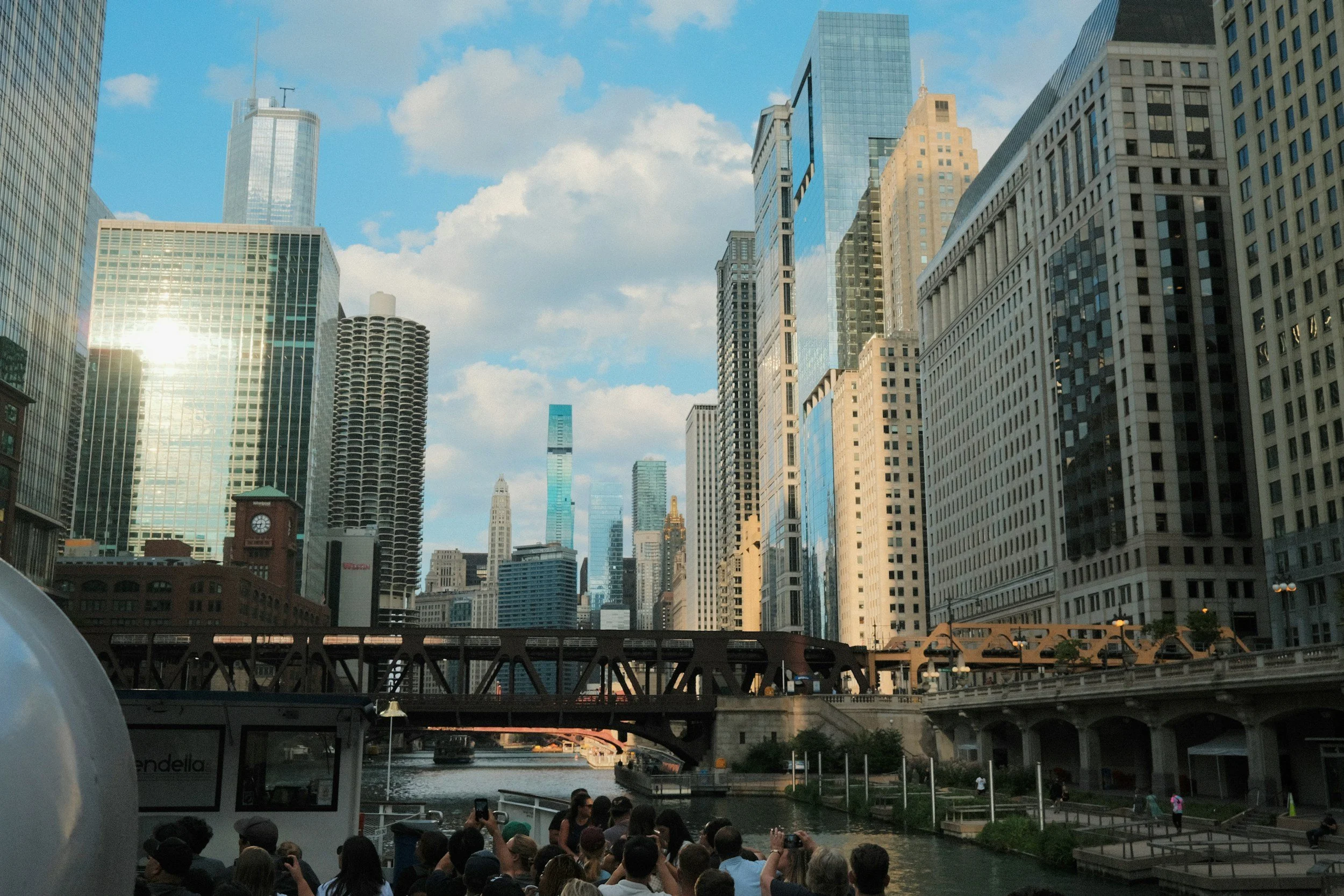
Downtown Chicago's Luxury Market Is Back. Here's Why — and What It Means for Buyers.
For several years, Chicago's downtown luxury market — the Gold Coast, River North, Streeterville, Lakeshore East — watched buyers migrate north. Lincoln Park, Lakeview, and Wicker Park were absorbing demand, prices on the North Side were rising sharply, and downtown condominiums were sitting longer than their owners expected.
That dynamic has shifted in 2026, and the reasons are worth understanding if you're considering a purchase in either location.
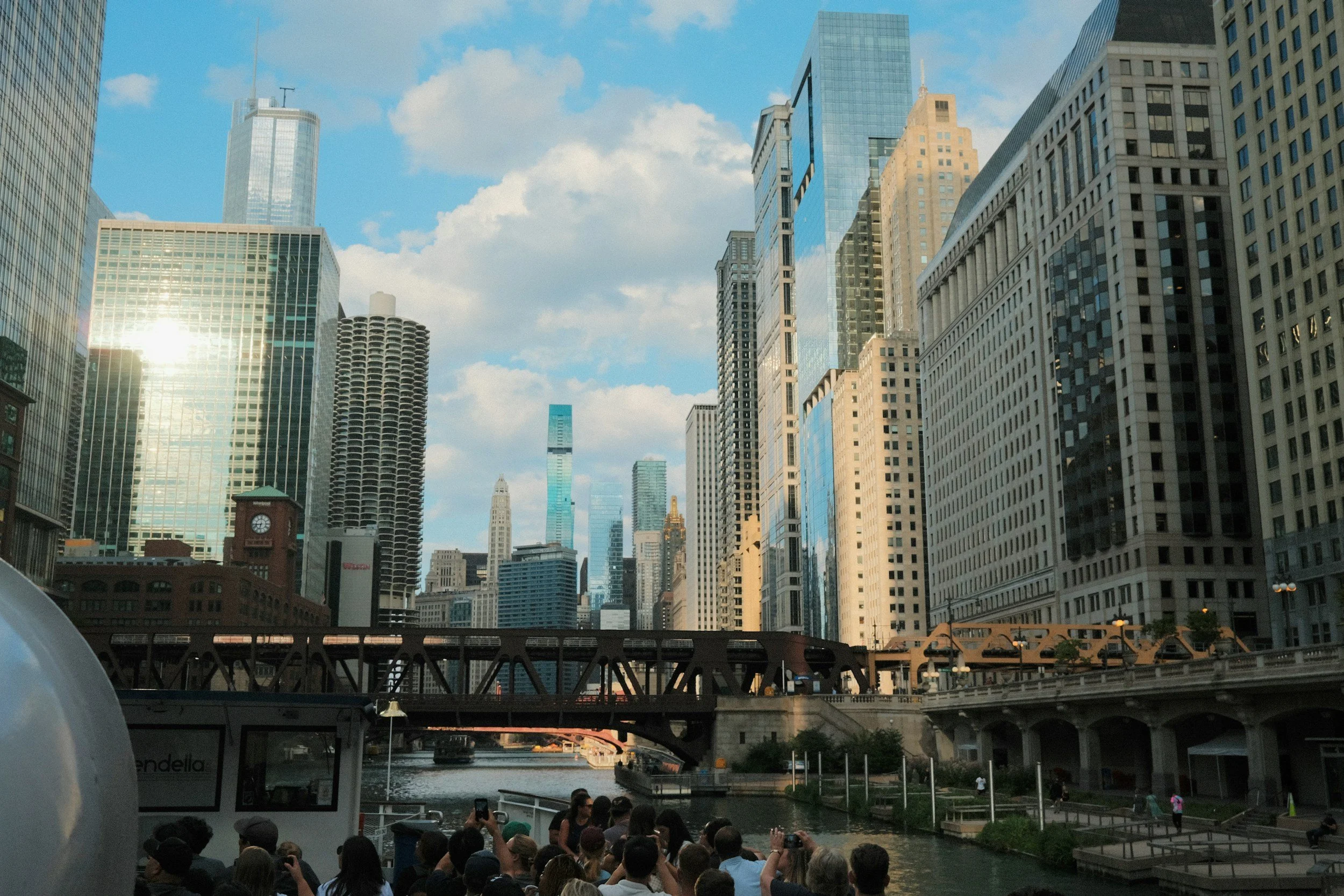
For several years, Chicago's downtown luxury market — the Gold Coast, River North, Streeterville, Lakeshore East — watched buyers migrate north. Lincoln Park, Lakeview, and Wicker Park were absorbing demand, prices on the North Side were rising sharply, and downtown condominiums were sitting longer than their owners expected.
That dynamic has shifted in 2026, and the reasons are worth understanding if you're considering a purchase in either location.
The immediate driver is North Side fatigue. Bidding wars in Lincoln Park have pushed single-family home prices well past asking on a regular basis. Buyers who have made multiple offers and lost have started re-evaluating downtown as the more rational market — where inventory still exists, where competition is warming but not frenzied, and where the price-per-square-foot proposition for a well-located, well-built condominium is genuinely strong.
The secondary driver is the return of out-of-state buyers. Perceptions of downtown Chicago's safety and vibrancy have improved, and buyers from New York, California, and other high-cost markets are rediscovering the Gold Coast specifically as a luxury market that delivers architectural quality, cultural proximity, building amenities, and lakefront access at prices that would be unrecognizable in their home markets.
The result: listing inventory in downtown neighborhoods has shrunk meaningfully through the spring season. Renovated, turnkey units are commanding premiums and moving quickly. Units that need work are also rising in value as buyers accept compromise that they wouldn't have a year ago.
What the buyer needs to understand
Downtown Chicago is a condominium-heavy market, and the distinction between a well-run building and one with deferred maintenance or underfunded reserves is enormous. HOA fees vary dramatically. Special assessments — one-time charges levied when a building needs major capital work — can run tens of thousands of dollars and are not always visible to a buyer who doesn't know to look.
Before making any downtown Chicago condo purchase, review the building's reserve fund study, the most recent HOA meeting minutes, and any pending or recent special assessments. An agent who works downtown regularly knows which buildings have strong financials and which don't — and that knowledge is worth more than the listing description.
John Voirol | John's Agents | Find My Agent