How to Find the Best Neighborhoods in Miami - A Guide for Buyers
One of the most common mistakes buyers make when approaching Miami is treating it as a single market with a single set of conditions. The city has more than fifteen distinct neighborhoods operating under their own supply, demand, buyer profile, and price point dynamics. The experience of living in Coral Gables bears almost no resemblance to living in Brickell or Wynwood or Miami Beach. Making a decision about "Miami" without knowing which Miami you're targeting is a significant financial decision made on insufficient information.
Here is the lay of the land for serious buyers.
Coral Gables — Prestige, Scarcity, and Long-Term Stability
Coral Gables is Old Miami money meeting new global demand. The Mediterranean Revival architecture, wide tree-lined streets, and strict development controls create a preservation ethos that limits supply in ways that have consistently supported long-term value. The neighborhood sits adjacent to the University of Miami and some of the best private schools in South Florida, making it the destination of choice for families with children.
Homes in the $3 million to $6 million range here are being absorbed in roughly two months. Ultra-luxury properties above $10 million often sell within four months. Inventory is historically low, and price reductions are becoming less common. Gables Estates, the gated waterfront enclave within Coral Gables, is routinely described as one of the most expensive residential communities in the United States. International buyers — particularly from Latin America — value Coral Gables for its privacy, security, and architecture that evokes European precedents in a U.S. legal and ownership framework.
If you want prestige, scarcity, and a neighborhood that is unlikely to change in ways that surprise you, Coral Gables is the most durable bet in the Miami market.
Coconut Grove — Nature, Community, and the Boating Life
Coconut Grove is the antidote to the verticality and pace of Brickell. It is lush, residential, human in scale, and organized around the water in a way that the city's more urban neighborhoods are not. Daily life here includes boating, waterfront farmers markets, outdoor gathering, and a neighborhood identity that residents describe with genuine attachment.
The condo market in Coconut Grove rewards buildings with strong reserves, generous floor plans, and premium water views. The single-family market east of Main Highway is the priority for buyers who want the full Coconut Grove experience — private, green, and close to the water. This is not a neighborhood for buyers who want the energy and convenience of urban density. It is for buyers who want to feel like they're living in a city and somewhere else entirely at the same time.
Brickell — Urban Intensity and the Buyer with Leverage
Brickell is Miami's financial hub — vertical, fast, international, and increasingly the home of the city's expanding technology and finance sector. The proximity to corporate offices, the walkability, and the building amenity packages in the luxury towers attract a buyer who wants to live close to work in an environment that does not require a car.
The current market conditions in Brickell are the most buyer-friendly in the entire Miami market. With 17 months of supply and listings averaging 113 days on market, buyers have meaningful negotiating leverage on price and terms. Offers at 5-8% below asking are reasonable starting points in many buildings. The caveat: building selection matters enormously. A beautiful unit in a financially troubled building with deferred maintenance and underfunded reserves — newly visible under Florida's mandatory SIRS compliance requirements — is a terrible investment regardless of the price. Due diligence on the building's financials is at least as important as due diligence on the unit itself.
Miami Beach — The Icon with Trade-offs
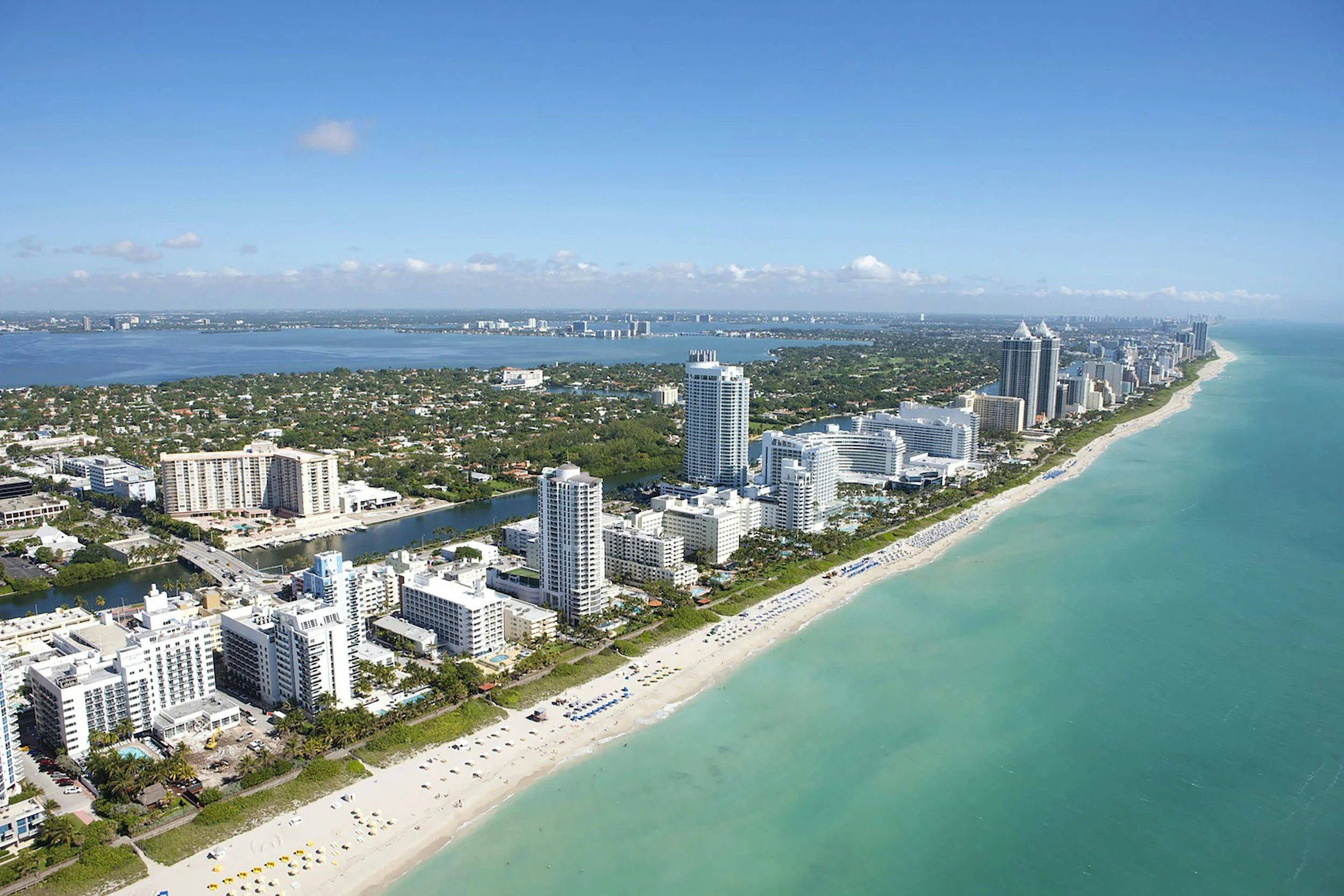
Miami Beach is the Miami that the world knows: the oceanfront, the Art Deco architecture, the international visibility. It is also a barrier island with flooding risks that are real and escalating, insurance challenges that are severe, and a short-term rental regulatory environment that has tightened considerably in recent years.
Buyers purchasing in Miami Beach need to understand the specific elevation of any property they're considering, the flood zone designation, the insurance costs at that address, and the short-term rental rules for the specific neighborhood. These are not abstract risks. They are current, specific, and material to the financial picture of owning there. The right property in Miami Beach — well-located, well-built, properly insured — remains one of the most coveted real estate positions in the world. The wrong one is an expensive and stressful education.
Wynwood — The Appreciation Play with Evolving Character
Wynwood has completed its transformation from industrial arts district to genuine residential luxury neighborhood. New construction pricing ranges from $850 to $1,100 per square foot — below Brickell and Miami Beach for comparable product. The neighborhood continues attracting design-forward buyers and investors who see its trajectory clearly. This is a 2026 entry point with long-term upside as the neighborhood's transition to full luxury residential status completes. It is also a neighborhood that changes faster than most, and the right agent is one who has watched it evolve rather than one who knows it from its reputation alone.
The Miami market, at any price point, rewards buyers who know exactly where they're going before they start touring. Finding an agent with the specific neighborhood expertise to match your target is the most important single step in a Miami home search.