Palm Springs Is Having a Moment — Here's What Second-Home Buyers Need to Know
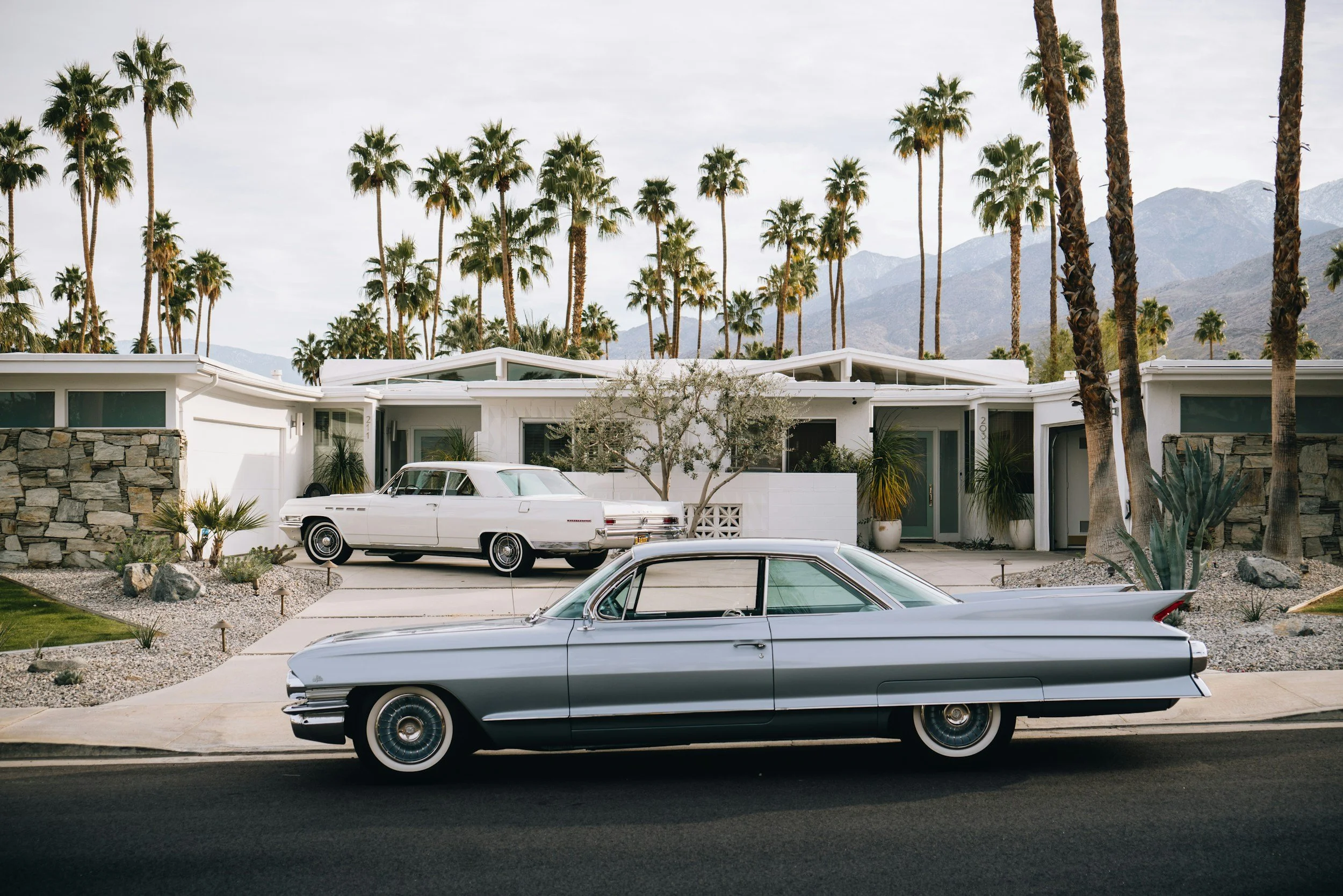
There's a specific kind of person who buys a second home in Palm Springs. They've usually been going there for years. They love the mid-century architecture, the desert light, the food scene, the ability to leave on a Friday afternoon from LAX or SFO and be poolside before sunset. At some point, they stop renting someone else's house and start thinking seriously about owning one.
If that's where you are right now, the market is giving you something it hasn't offered in a while: time to think.
After a frenzied few years of pandemic-era demand and double-digit appreciation, the Greater Palm Springs market has shifted into a more measured pace. The median sale price in the city came in around $650K in early 2026, with homes averaging about 94 days on market — considerably longer than the sprint-or-miss conditions buyers faced in 2022. Inventory is running close to pre-pandemic levels, and the sold-to-list ratio has come down to around 94%, meaning negotiation is back on the table in a real way.
For the right buyer, this is a meaningful window.
What the luxury tier looks like
The overall market statistics don't tell the whole story for second-home buyers shopping at or above $1 million, which is broadly where Palm Springs agents define the luxury segment. The luxury tier operates on its own logic. Cash buyers are dominant, and they're increasingly demanding turnkey condition — renovated, design-forward homes that don't require a project. Properties that meet that standard are still moving at or near asking. Properties that don't are sitting, sometimes considerably, giving buyers room to negotiate.
The Coachella Valley's premier pockets — downtown Palm Springs, the Movie Colony, Deepwell, Twin Palms — command premiums, and architecturally significant homes continue to attract buyers who understand what they're looking at. If you don't have that fluency, and most buyers outside the market don't, the right agent makes an enormous difference.
The short-term rental picture — and why it's more complicated than it looks
If rental income is any part of how you're thinking about this purchase, the STR landscape in Palm Springs deserves careful attention before you run any numbers.
In November 2022, the city passed Ordinance 2075, which established a 20% density cap on short-term rental permits per neighborhood — meaning once 20% of homes in a given neighborhood hold permits, no new standard permits are issued. Several neighborhoods hit that cap immediately. New permits issued since then are also limited to 26 rental contracts per year. (A "contract" is one guest stay, regardless of its length — a two-night booking and a three-week stay each count as one contract.)
Here's what catches buyers off guard: STR permits in Palm Springs are non-transferable. They do not convey when a property sells. If you purchase a home that currently operates as a short-term rental — even one with an older, more favorable permit — you don't inherit that permit. You start the application process fresh as a new permittee, subject to the current 26-contract annual limit and the neighborhood density cap. In neighborhoods already at 20%, that means joining a waitlist with no guaranteed timeline.
The practical implication: rental income projections a seller presents may be based on permit terms you will never actually hold. Before making any assumptions about income potential, verify the permit status for that specific property, confirm whether the neighborhood still has capacity for new permits, and build your financial model on what you — as a new applicant — would actually be allowed to do.
This isn't a reason not to buy in Palm Springs. It's a reason to buy with complete information — guided by an agent who knows this regulatory landscape specifically and can walk you through the permit picture before you're under contract.
Who's buying in Palm Springs right now
Migration data from Redfin tells an interesting story: the buyers most actively searching to move into Palm Springs are coming from San Francisco, Boston, and Seattle — not the Los Angeles drive market that has historically dominated second-home demand in the valley. That's a shift worth noting. It suggests that Palm Springs is increasingly on the radar of high-net-worth buyers from outside California who see it as a lifestyle investment, not just a weekend escape.
For sellers, this broadens the potential buyer pool considerably. For buyers from outside the region, it underscores the value of working with a local specialist who knows both the market and the neighborhoods these buyers tend to target.
What I do for second-home buyers
Whether you're buying in Palm Springs, Rancho Mirage, Indian Wells, or anywhere else in the Coachella Valley, my role is the same: I find you the agent who knows your target area, your price point, and your situation — and I make a warm, personal introduction before you ever have a cold conversation with a stranger. The agent question is one you should never have to answer with a guess.
If Palm Springs is on your radar, let's talk before you start touring.John Voirol | John’s Agents | Find My Agent
---
SOURCES
- Redfin, Palm Springs Housing Market Data, February 2026