
Lincoln Park
Lakefront Park, Historic Manses, Rowhouses, DePaul University
MEDIAN: $860,000
Get to know Lincoln Park
Lincoln Park is the North Side neighborhood built around Chicago's biggest lakefront park, about three miles north of the Loop. It runs from North Avenue up to Diversey Parkway, and from Lake Michigan west to the Chicago River.
People move here for the park itself. It holds a free zoo, a conservatory, a nature museum, ponds, playing fields and North Avenue Beach, all a walk from home.
The streets behind it are some of the city's oldest and prettiest, lined with brick rowhouses, greystones and a few Gilded Age mansions. Three L lines, DePaul University and blocks of restaurants and shops keep it lively without leaving the neighborhood.
Why People Love Lincoln Park
Residents keep coming back to the same point: everything they want is a walk away, starting with the park.
The park is the backyard. Residents call the parks beautiful and say there's easy access from wherever you live. Others point to the Lakefront Trail and the skyline and lake views, especially in summer.
You can walk to all of it. One resident names walkability as their favorite part of the neighborhood. Another notes that restaurants, stores and pharmacies are all around.
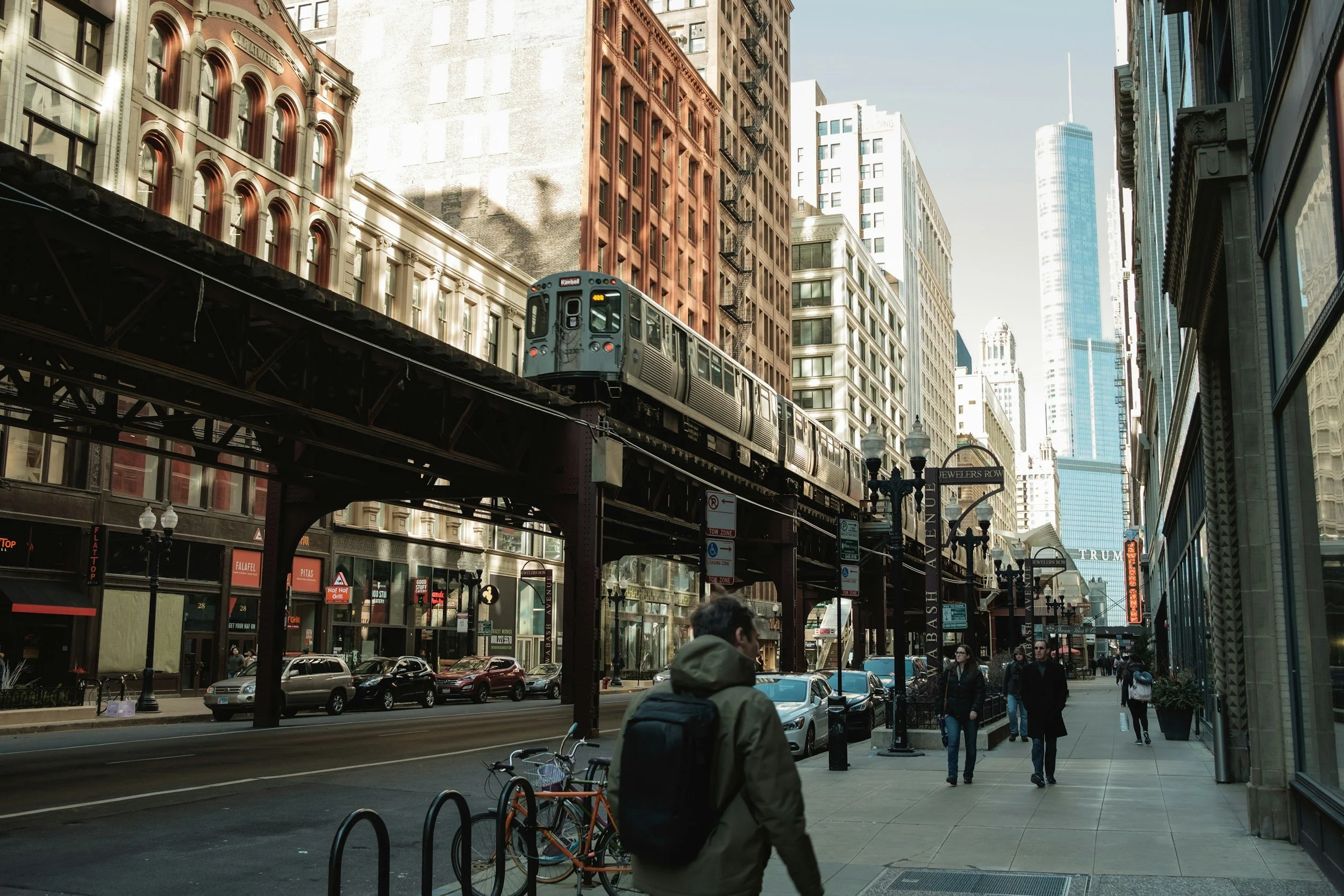
The trains make a car optional. Reviewers mention the Brown and Red lines and how easy it is to get around without driving. Downtown and Wrigley Field are both a short ride.
There's always something to do. Locals list the zoo, the restaurants, the nightlife and a steady run of events. One former resident describes a college-town feel that comes from DePaul University.
The streets are worth the walk. One resident says the historic architecture is so distracting that they've missed turns looking at it.
Want to live in Lincoln Park?
John will match you with a Chicago agent who knows these blocks, at no cost to you.
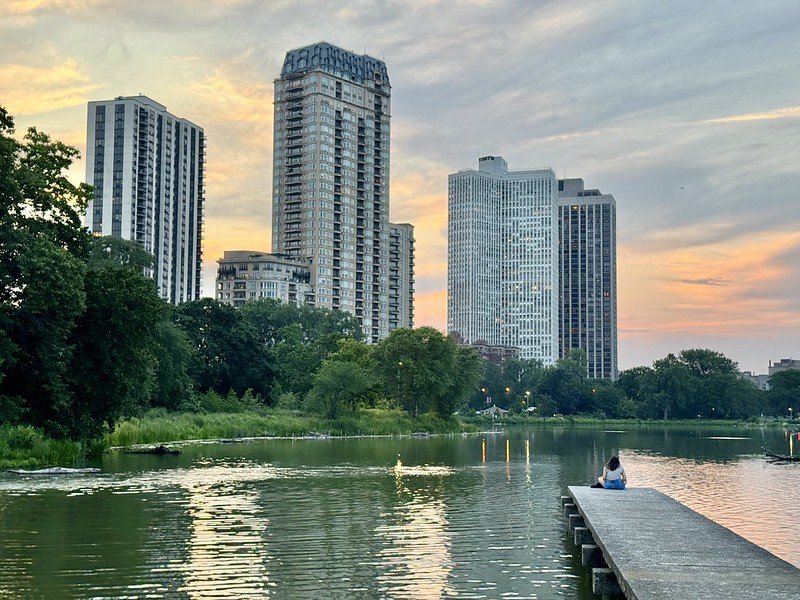
What to do in Lincoln Park.
A day in Lincoln Park usually starts in the park and ends on Halsted Street.
Walk to the zoo, which began in 1874 with two swans, now holds more than 1,100 animals and is still free. The glass-roofed conservatory next door dates to 1895, and the paths around North Pond and the Alfred Caldwell Lily Pool are the quiet corners locals keep to themselves. On Wednesdays and Saturdays from spring through fall, Green City Market brings farmers to the park.
Lunch is a neighborhood institution. Try the pot pie at Chicago Pizza and Oven Grinder, a burger at R.J. Grunts across from the zoo, or the Greek chicken at Athenian Room. Then browse the boutiques at Armitage and Halsted, a shopping district set in Victorian-era storefronts, and cut home through Oz Park.
Evenings are where Lincoln Park shows off. See a play at Steppenwolf, then book dinner at Boka or tapas at Cafe Ba-Ba-Reeba. Geja's Cafe has served fondue since 1965, and Alinea is one of the country's most celebrated restaurants.
End the night with live blues at Kingston Mines, a show at Lincoln Hall or a drink on the J. Parker rooftop above the park. In summer, add North Avenue Beach and the Lakefront Trail to the routine.
Housing Types & Architecture
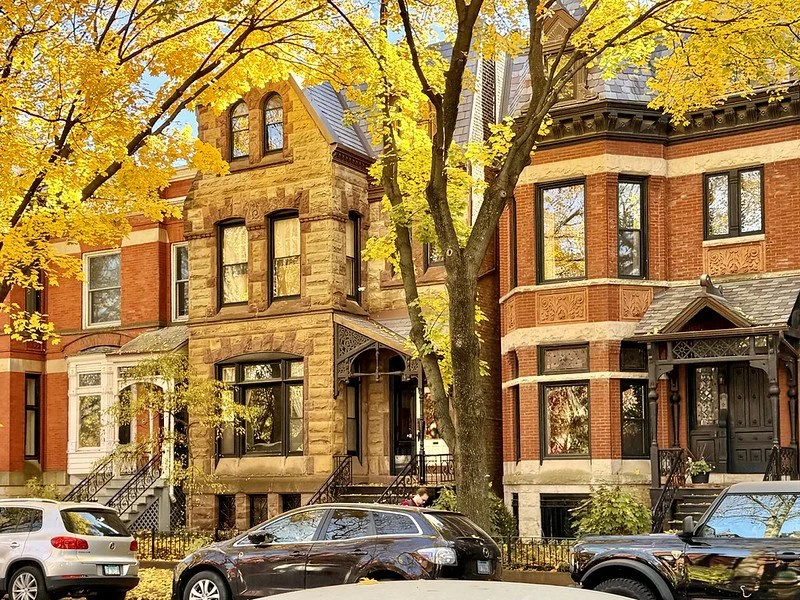
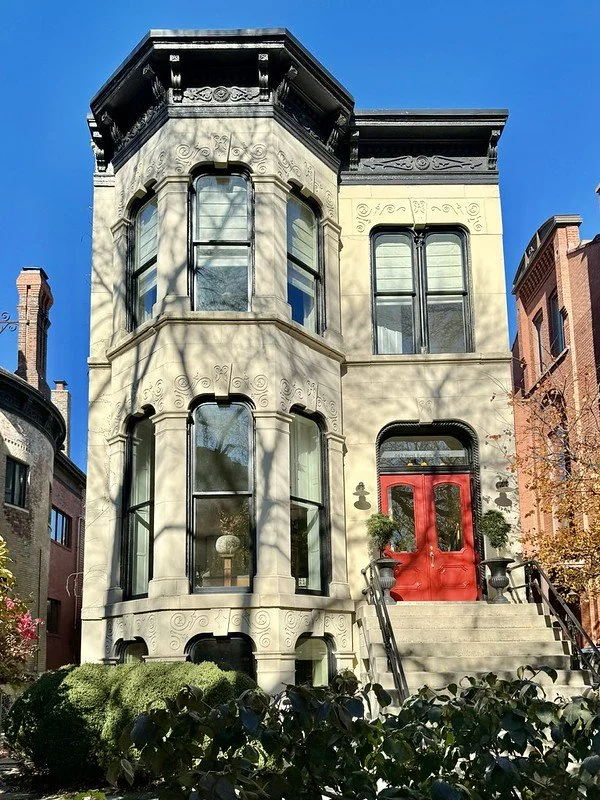
Lincoln Park is mostly vintage and low-rise: brick rowhouses, greystones and two- and three-flats from the late 1800s and early 1900s, with a wall of high-rises facing the park.
Condos are the most common way in. Many sit in converted two-flats and three-flats or in small walk-up buildings, and newer condo buildings often include duplex units for buyers who need more room. Along Lakeview Avenue and Lincoln Park West, towers that began going up in the 1920s trade the vintage staircase for a doorman and a park view, and several are co-ops.
The history is on the street. Wooden workers' cottages that predate the Great Chicago Fire of 1871 still stand in the Mid-North District, beside Italianate rowhouses from the 1870s. Near DePaul, the McCormick Row Houses of the 1880s line up in Queen Anne brick between the two halves of campus.
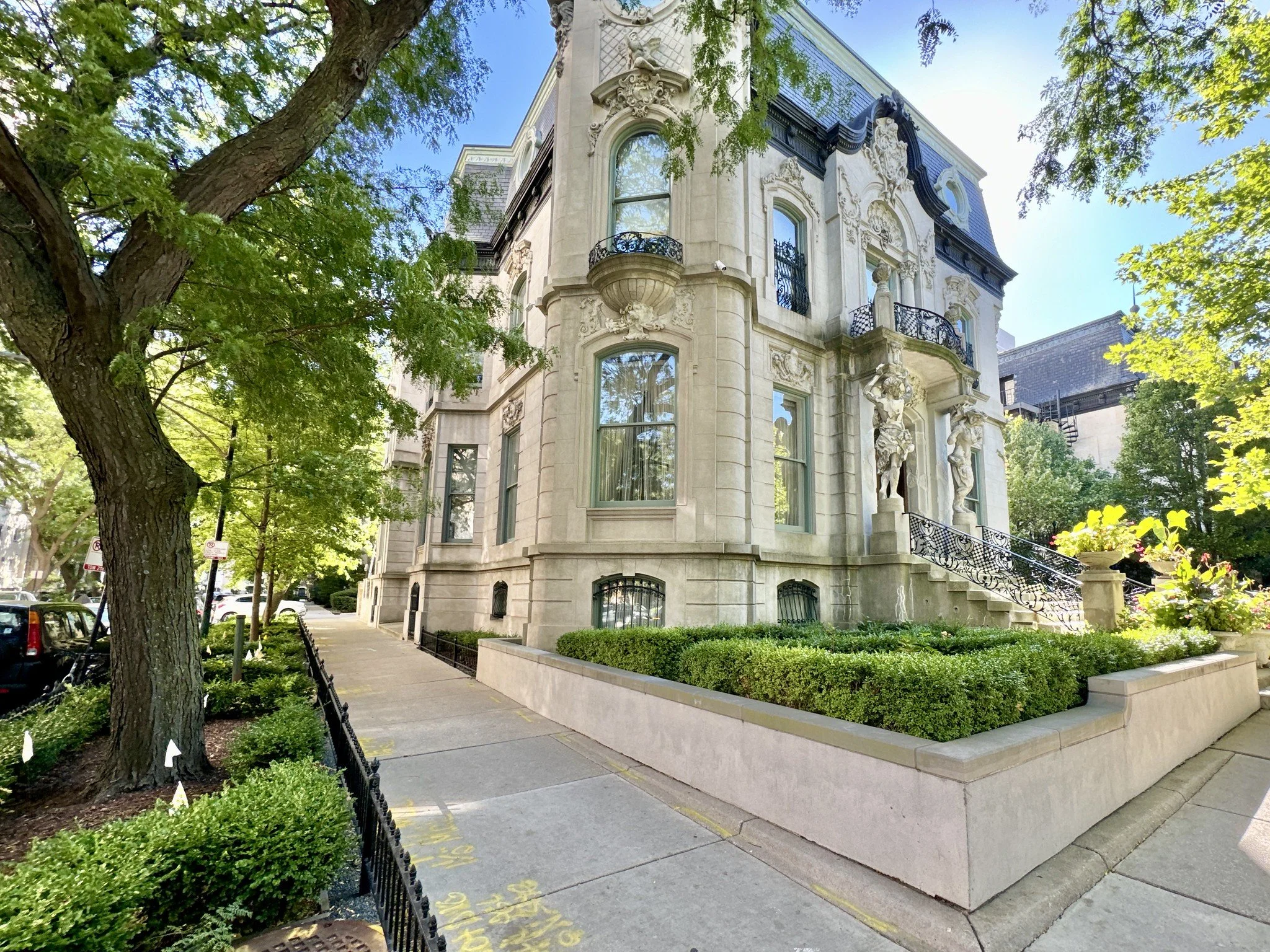
The mansions are the showstoppers. In the 1890s, brewers built the Theurer-Wrigley House on Lakeview Avenue, an Italian Renaissance mansion with a ballroom, and the Dewes House on Wrightwood Avenue, where carved stone figures hold up the balcony. Their modern counterparts line Burling, Orchard and Howe streets, where new homes span as many as four city lots.
Most other houses are restored 19th-century rowhouses and greystones. Large parts of the neighborhood are recognized historic districts, including Mid-North, Sheffield and the Old Town Triangle.
The quick read: a strong fit if you want historic character, the park and a walk-everywhere routine. A harder search if you want easy parking, a big yard or a wide choice of new construction.

LetsMovetoChicago.com founder John knows how to find the right real estate agent because he has been one since 2015. When it’s time to start your home search, John can connect you with a local real estate agent who specializes in the neighborhoods you’re focused on, at no cost to you!
Get Personalized Guidance
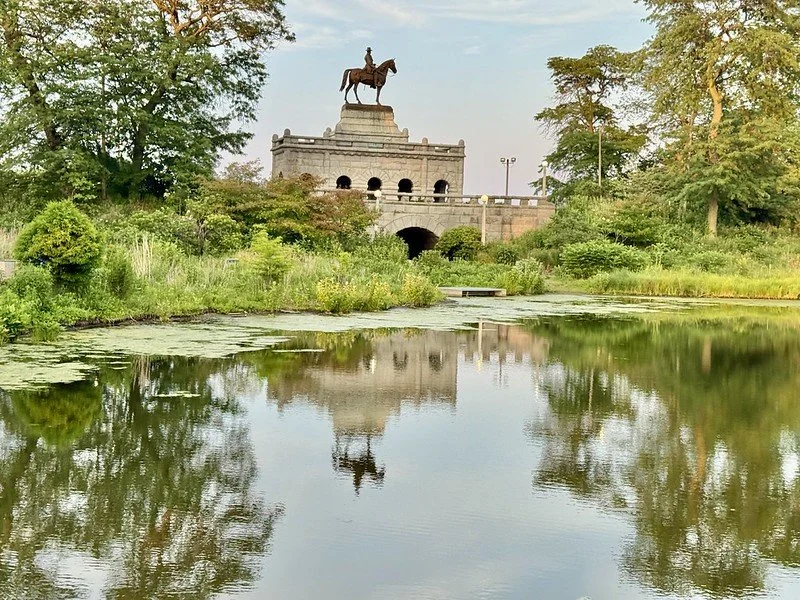
Ulysses S. Grant Monument, Lincoln Park, Lake Shore Drive, Lincoln Park, Chicago, IL
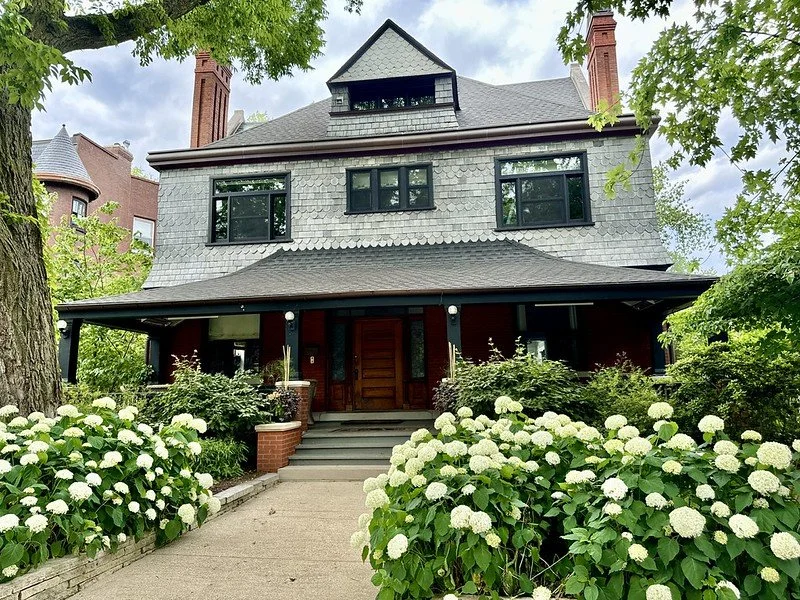
McCormick Row Houses, Chalmers Place, Lincoln Park, Chicago, IL
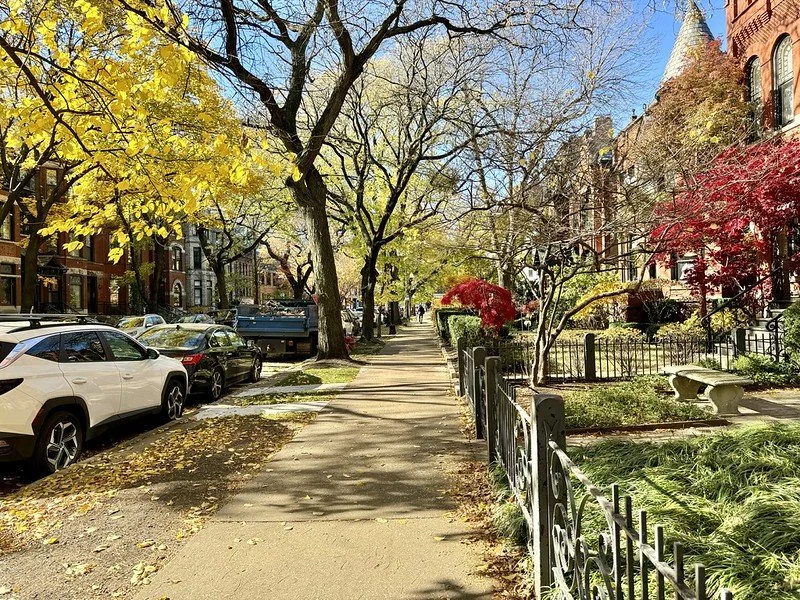
Fullerton Avenue, Lincoln Park, Chicago, IL
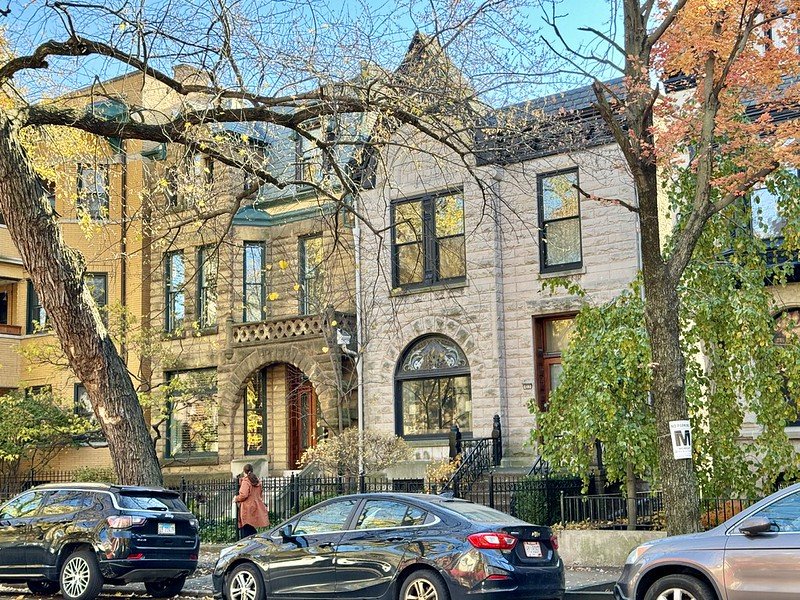
Fullerton Avenue, Lincoln Park, Chicago, IL
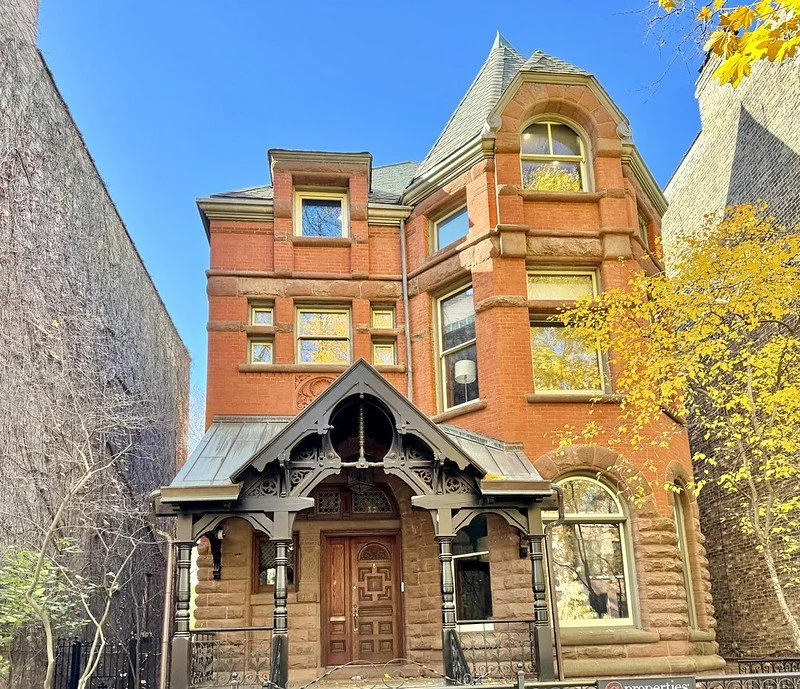
Cleveland Avenue, Lincoln Park, Chicago, IL
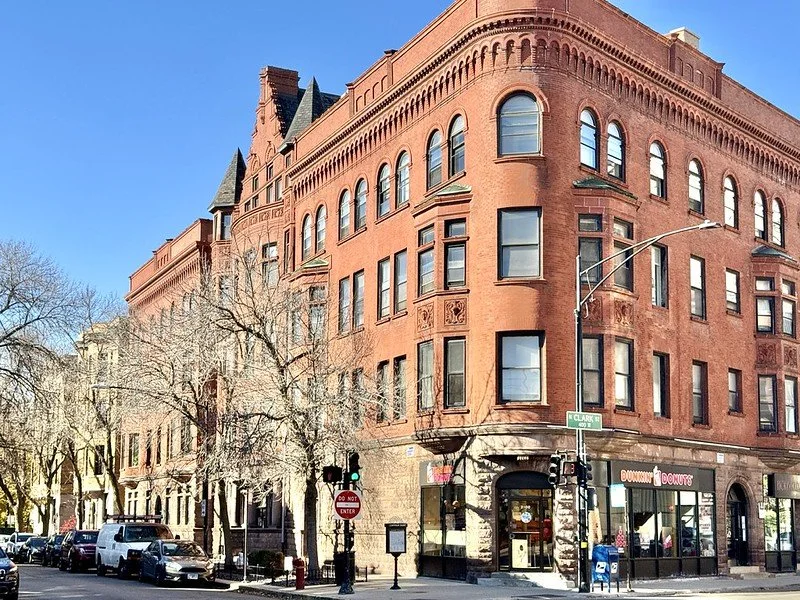
Cobden Building, Belden Avenue and Clark Street, Lincoln Park, Chicago, IL
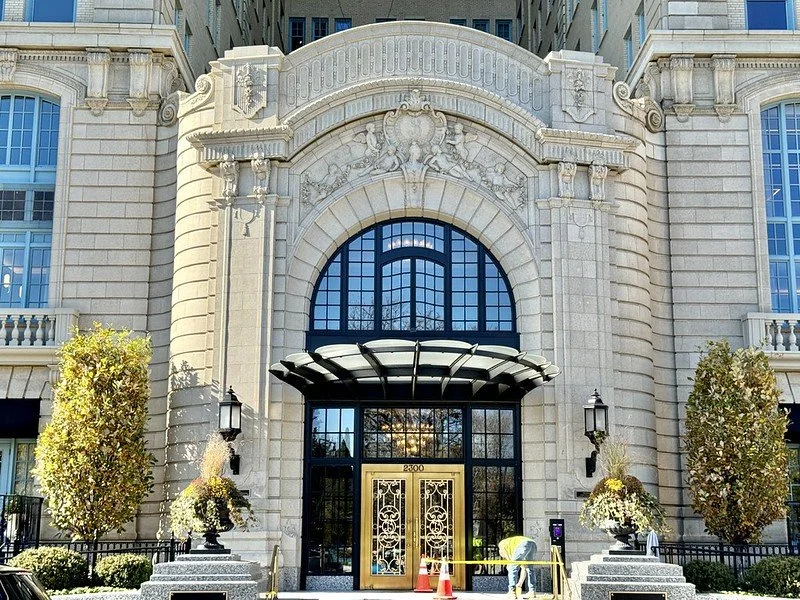
What People Are Saying
Here's how people who live in Lincoln Park describe it, summarized from public resident reviews: