
Andersonville
Clark Street Shops, Sweedish Heritage, Independent Businesses
MEDIAN: $705,000
Get to know Andersonville
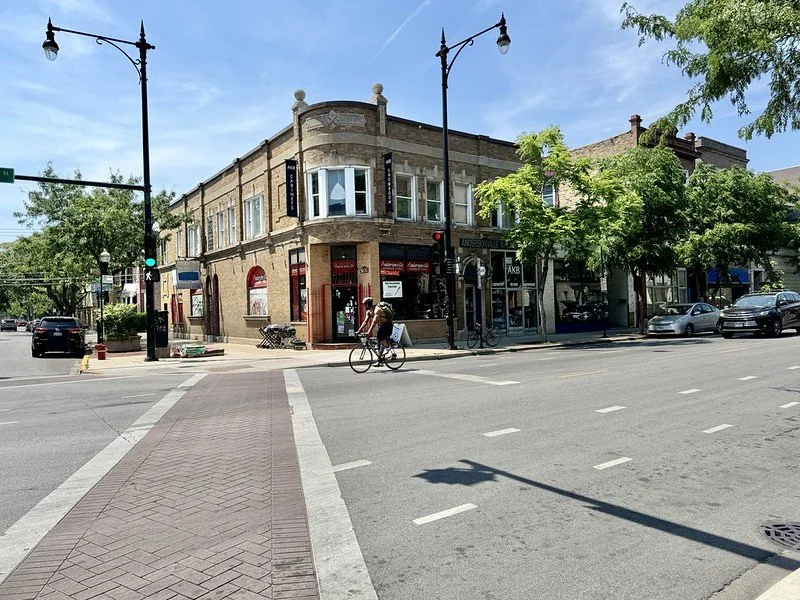
Andersonville is a small-town main street tucked into Chicago's North Side, about seven miles from the Loop. It centers on Clark Street between Foster and Bryn Mawr avenues, inside the Edgewater community area and a 15-minute walk from the lake.
People move here for Clark Street. It's a ten-block run of bookstores, bakeries, restaurants and bars that are almost all locally owned, which is how Andersonville earned the nickname Shop Local Capital of Chicago.
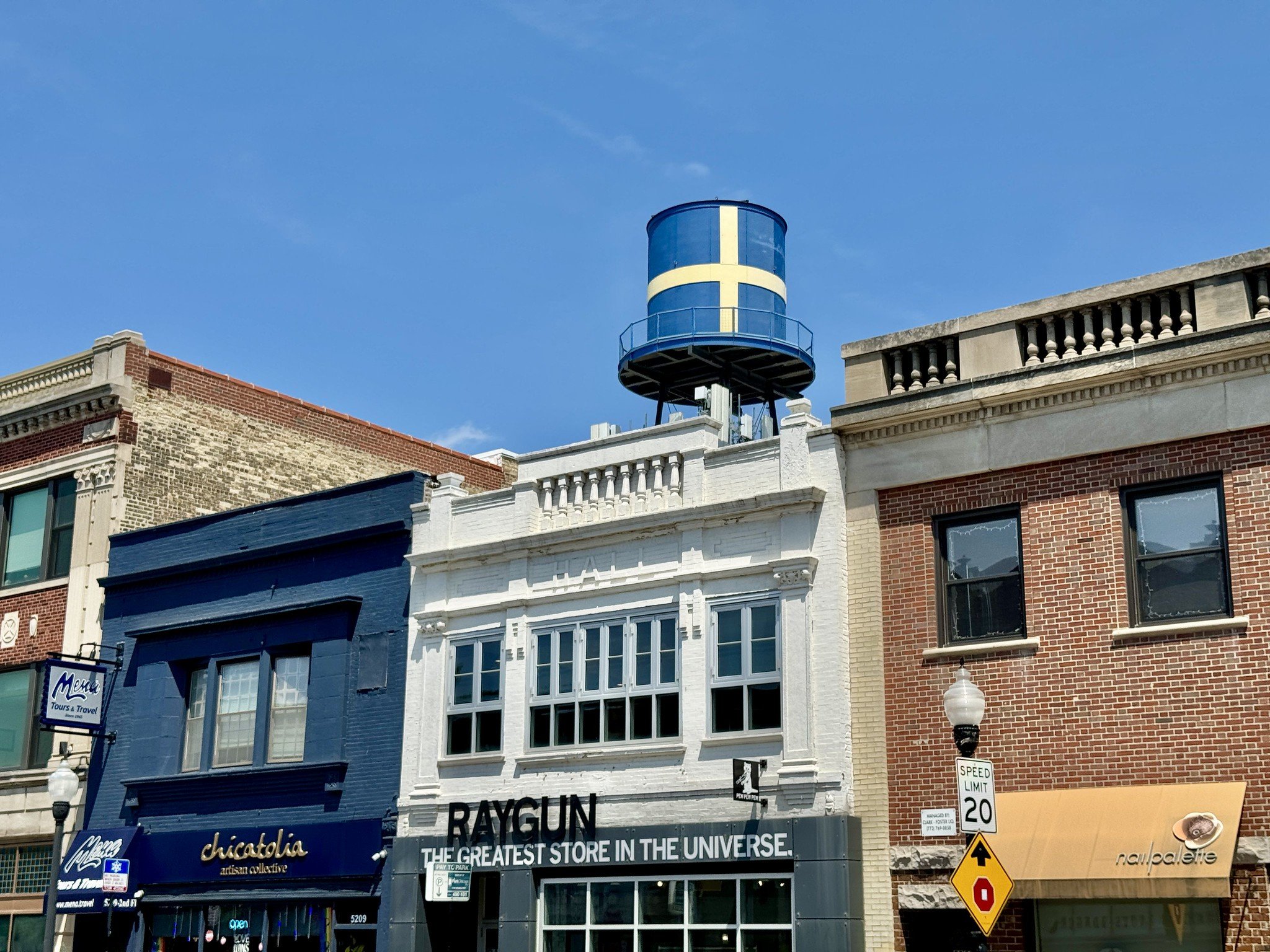
The neighborhood grew up as a Swedish enclave, and the blue-and-yellow water tower above the Swedish American Museum still marks its center. Step one block off Clark and it turns quiet fast, with old trees, brick two-flats and century-old houses.
Why People Love Andersonville
Residents describe Andersonville the same way again and again: a village inside the city.
Everything is on Clark Street. Books, records, dinner and a nightcap all sit within a ten-block walk, and nearly all of it is locally owned. One resident points out that one of the city's best gastropubs and one of its best dive bars share a single block.
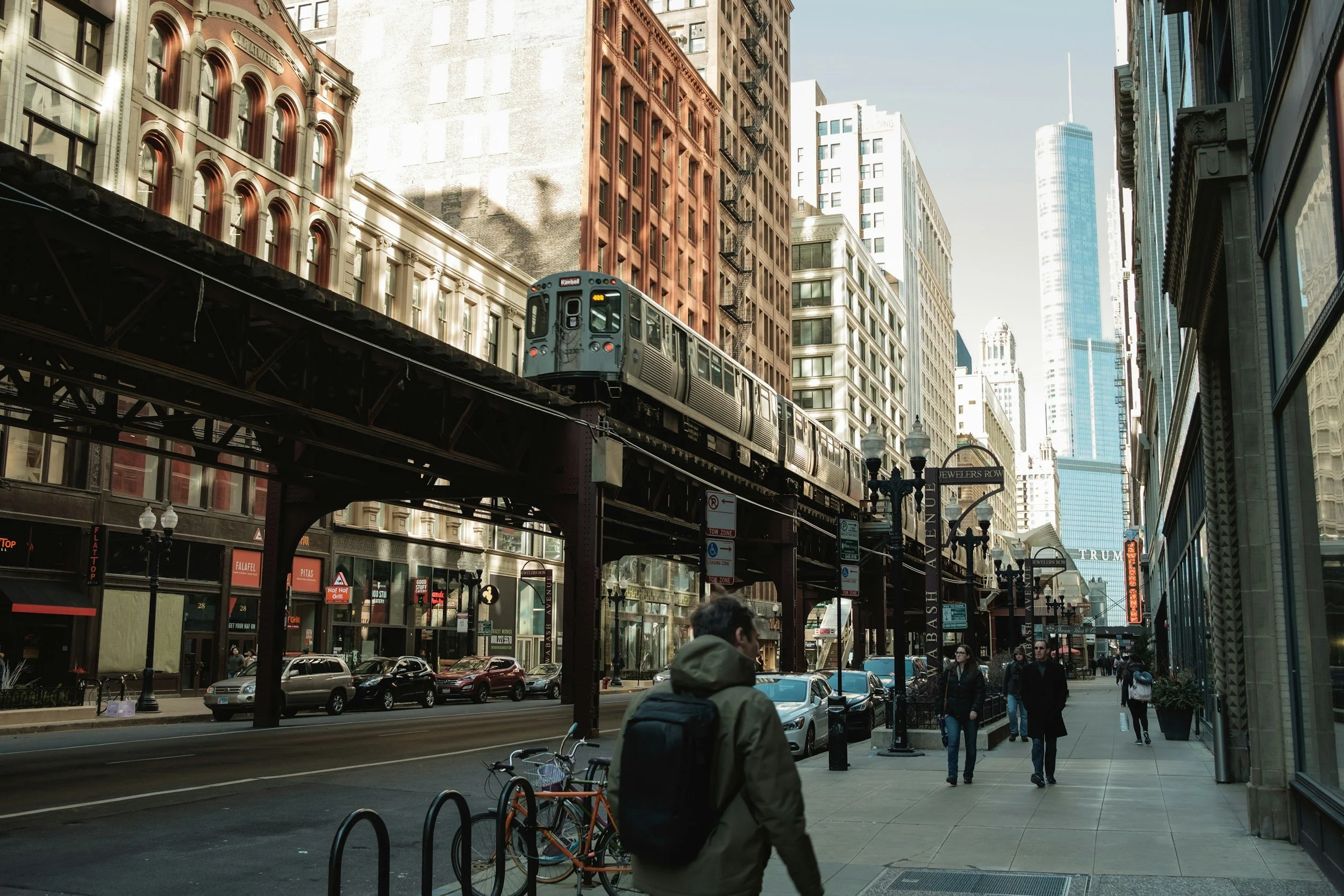
The pace is slower. Reviewers call it cozy, quiet and a calmer version of city life. The Red Line and the Clark Street bus are there when you want downtown.
Neighbors show up for each other. Residents talk about friendly neighbors up and down the street and shop owners who actively support one another.
There's always something on the calendar. Locals list Midsommarfest, the weekly farmers market, sidewalk sales and even a Viking pub crawl as what makes the neighborhood fun.
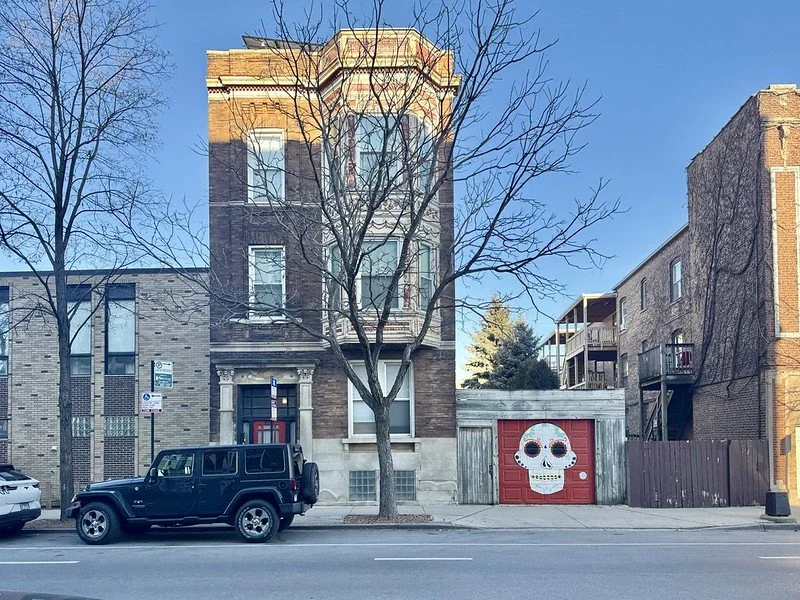
The streets are beautiful. People mention the mature trees, the vintage flats and the historic houses as much as the restaurants.
The lake is a short walk. Residents put the beach about ten minutes east on foot.
Want to live in Andersonville?
John will match you with a Chicago agent who knows these blocks, at no cost to you.
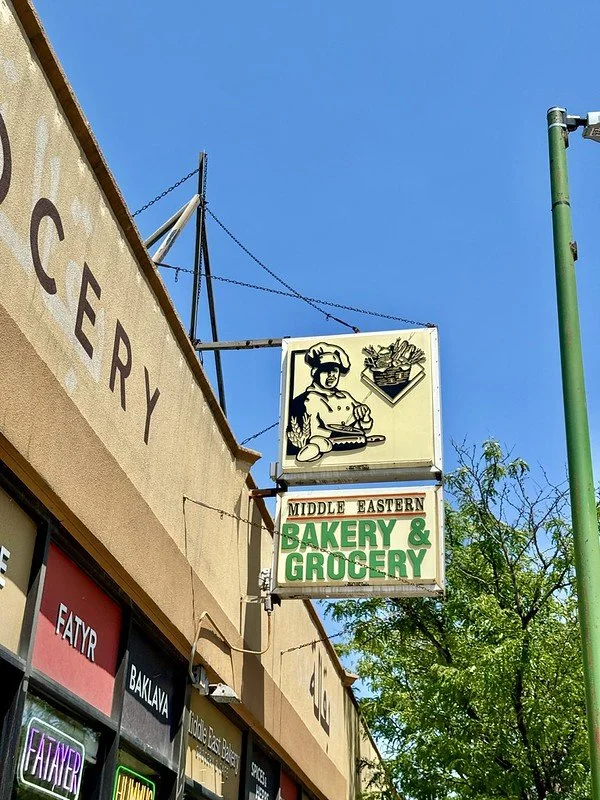
What to do in Andersonville.
Daily life in Andersonville runs along Clark Street, and most of it is a short walk from your door.
Start with brunch at m.henry, a North Side favorite for its French toast, or a pastry from Lost Larson, the bakery known for its Swedish princess cake. Then wander. Women & Children First has been the block's independent bookstore since 1979, the Andersonville Galleria puts more than 100 local makers under one roof, and Rattleback Records will cost you an hour.
The Swedish American Museum sits under the neighborhood's water tower, with a children's museum inside and cardamom buns in its cafe. From May through October there's a weekly farmers market. And when you want sand, Foster Beach is about a 15-minute walk east.
Evenings are the neighborhood's strong suit. Order mussels and a Belgian ale at Hopleaf, a Clark Street anchor since 1992, or the burger at Little Bad Wolf. Then step through a fake laundromat into the Chicago Magic Lounge, or watch the Neo-Futurists attempt 30 plays in 60 minutes.
End the night with a glass of glögg at Simon's Tavern, pouring since 1934. In June, Clark Street closes for Midsommarfest, a three-day street festival with a maypole, live music and nearly 50,000 people. In December, the Swedish holiday market and the St. Lucia festival take over.
Housing Types & Architecture
Andersonville is low-rise and vintage: brick two-flats and three-flats, limestone greystones and courtyard condos, most built in the late 1800s and early 1900s.
Condos are the most common way in. Many are full-floor units in converted two-flats and three-flats, so you get bay windows, tall ceilings and original woodwork instead of a hallway of identical doors. Courtyard buildings add one- to three-bedroom options with less upkeep.
Houses are the prize. East of Clark, the Lakewood Balmoral Historic District holds blocks of 1890s single-family homes with Queen Anne and Shingle-style details, in a district listed on the National Register of Historic Places. Restored homes there sell well into seven figures.
Two-flats are worth a look if you want rental income, since you can live on one floor and rent the other. What you won't find is much new construction or high-rise living. The newer options are mostly gut-rehabbed vintage homes, with modern interiors behind the original facade.
Expect competition. Homes here are tightly held, and in early 2026 more than half sold above asking.
The quick read: a strong fit if you want vintage character on a quiet street with a walkable main street around the corner. A harder search if you want new construction, a full-amenity tower or a bargain.

Get Personalized Guidance
LetsMovetoChicago.com founder John knows how to find the right real estate agent because he has been one since 2015. When it’s time to start your home search, John can connect you with a local real estate agent who specializes in the neighborhoods you’re focused on, at no cost to you!
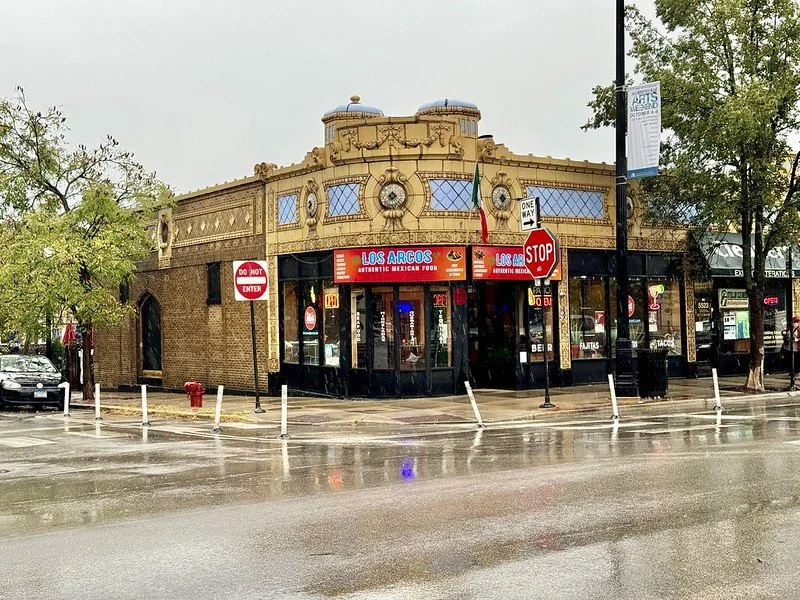
Clark Street and Gregory Street, Andersonville, Chicago, IL
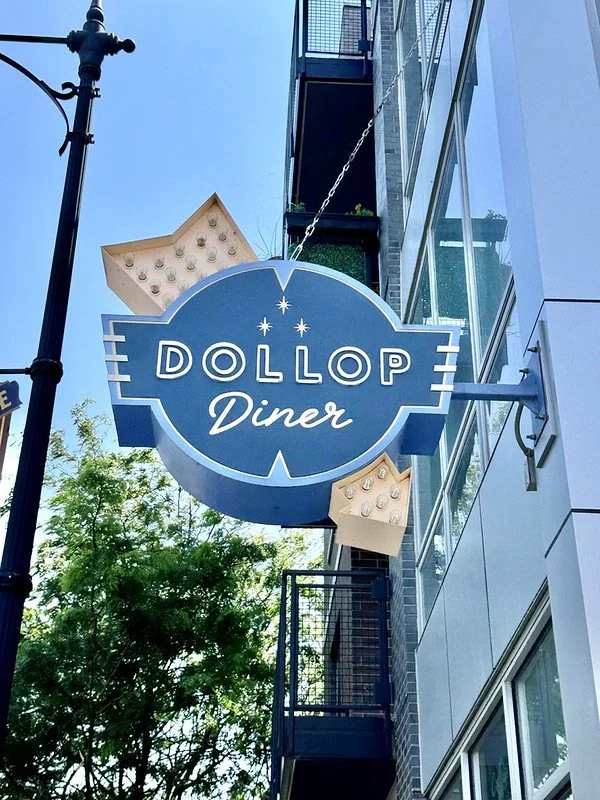
Dollop Diner Sign, Clark Street, Andersonville, Chicago, IL
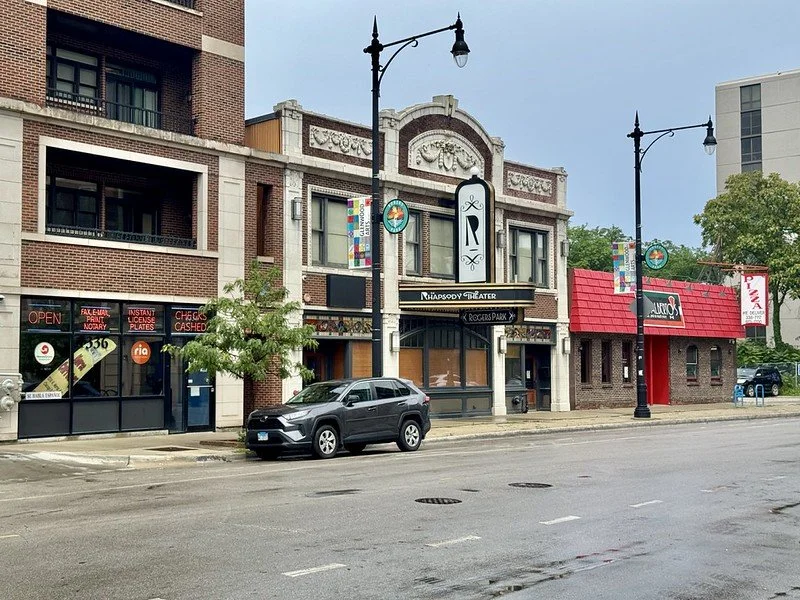
Former Calo Theatre, Clark Street, Andersonville, Chicago, IL
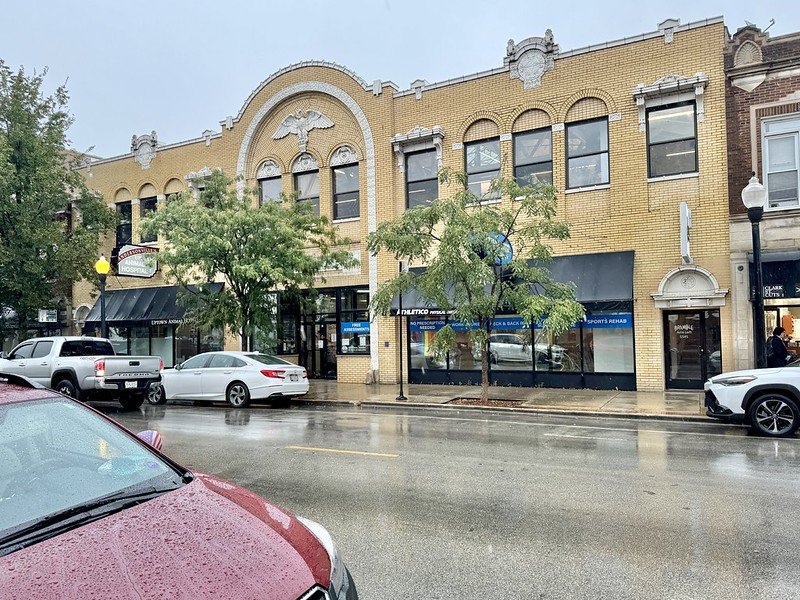
Capital Garage Building, Clark Street, Andersonville, Chicago, IL
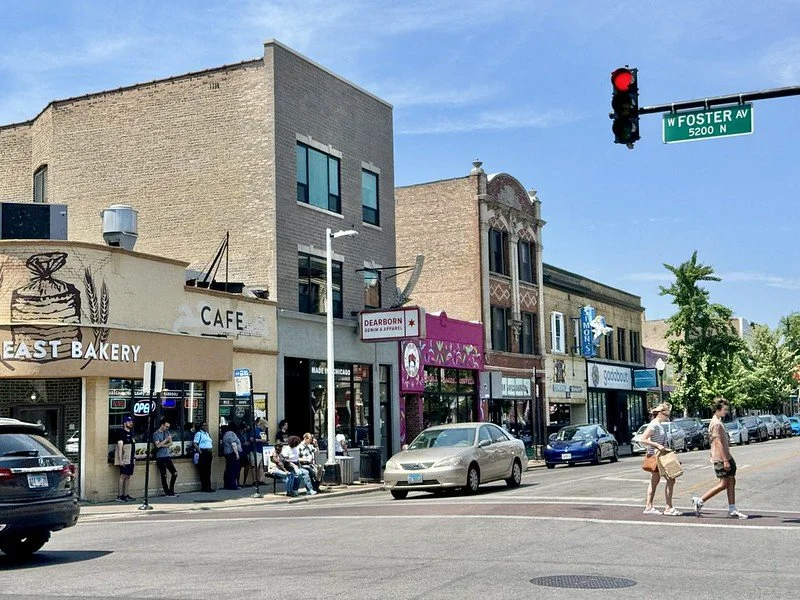
Clark Street, Andersonville, Chicago, IL
What People Are Saying
Here's how people who live in Andersonville describe it, summarized from public resident reviews: